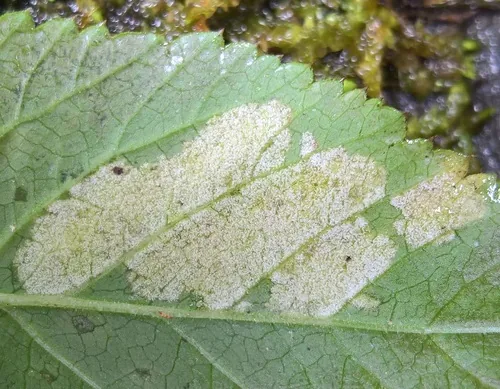
Field Identification
If leaves, stems, or fruit suddenly look spotted, sunken, or rotting, downy mildew may already be active. This problem often starts small, then spreads across healthy tissue before most growers realize how serious it is. Warmth, moisture, and crowded foliage usually speed it up. Treat early, because waiting even a few days can turn a manageable infection into major crop loss.
Look for a pattern, not one bad leaf: expanding spots, dark or pale halos, fuzzy growth, or tissue that collapses when touched. Check both leaf surfaces, stem bases, and fruit scars where symptoms first appear. New lesions after rain, overhead watering, or heavy dew are a strong clue. When separate spots begin merging into larger dead patches, the disease is advancing quickly.
Not sure what you have? Use the symptom diagnosis tool →
How to Deal With It
Organic Control Methods
Bacillus subtilis and Trichoderma products applied preventively as foliar sprays reduce downy mildew infection rates by competing with the pathogen on leaf surfaces. Compost teas with diverse microbial communities have variable results but support overall plant health and foliar biology. Phosphite-based products stimulate plant immune responses to downy mildew -- check organic certification status before use. Strong soil biology and mycorrhizal fungi support plant resilience and immune response to infection.
Downy mildew is not a true fungus but an oomycete (water mold) related to late blight. It spreads by airborne spores in cool wet conditions and by windblown rain. The pale yellow angular spots on upper leaf surfaces and purple-gray fuzzy growth on undersides are distinctive. It is host-specific -- cucumber downy mildew only infects cucurbits, basil downy mildew only basil. Choose resistant varieties wherever available -- breeders have developed excellent downy mildew resistant cucumber, lettuce, basil, and spinach varieties.
Water at soil line only -- wet leaves are required for infection. Space plants for maximum air circulation. Vertical trellising improves airflow through the canopy. Remove infected leaves immediately and bag -- do not compost. Avoid working in the garden when plants are wet as you can spread spores on hands and tools. Destroy all crop debris at season end -- some downy mildew pathogens overwinter in soil on plant debris.
High tunnels with sides that vent effectively keep foliage dry and dramatically reduce downy mildew pressure -- the most reliable structural protection for susceptible crops. Row covers delay exposure on direct-seeded crops. Vertical trellising improves air circulation significantly compared to sprawling crops.
Copper fungicides applied on a preventive schedule before wet weather are the most effective organic spray -- apply before infection periods, not after symptoms appear. Copper must be on leaf surfaces before spores land to be effective. Reapply after rain. Phosphite products (check organic certification) stimulate plant immune response and reduce infection rates. Potassium bicarbonate kills spores on contact as a curative spray on early infections. Sulfur on some crops. Rotate materials to prevent resistance buildup.
Let Nature Handle It
Natural Enemies
- Hyperparasitic Fungi
- Competitive Microbes