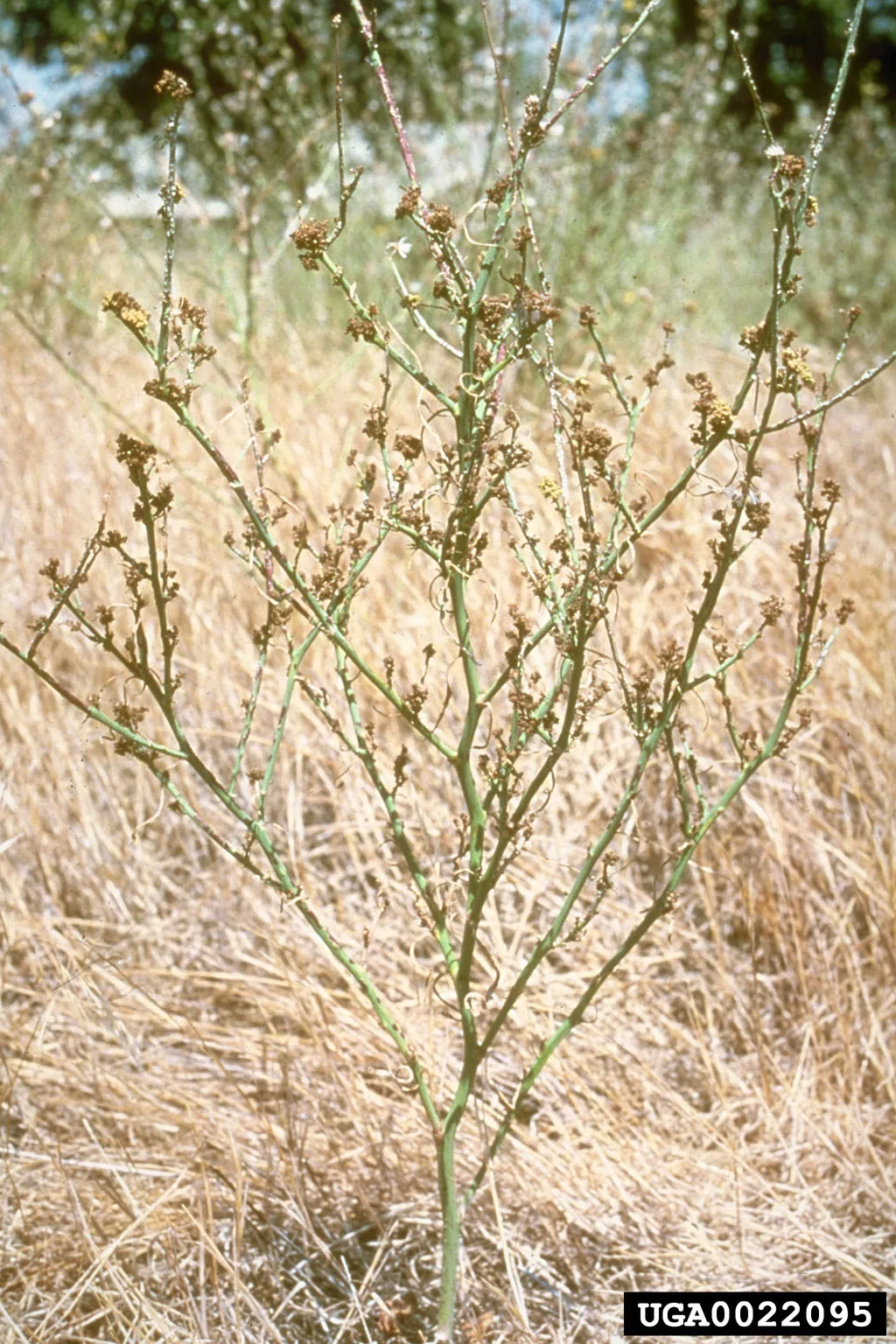
Field Identification
If leaves look dusty, speckled, bronzed, or curled without obvious chewing, gall mite is a likely suspect. Mites are tiny but can multiply fast, especially during heat and dry air. Plants lose vigor as feeding drains cell contents from leaves and tender growth. Early action matters, because heavy infestations can spread through a bed in days.
Use a hand lens and check leaf undersides first, especially near veins and new growth. Look for pinprick stippling, fine webbing in some species, and tiny moving dots that range from pale to red or brown. Tap a leaf over white paper; moving specks suggest active mites. Stippled leaves plus mites or eggs clustered under foliage confirms the diagnosis.
Not sure what you have? Use the symptom diagnosis tool →
How to Deal With It
Organic Control Methods
Predatory mites in the Phytoseiidae family (Amblyseius spp.) consume gall mites where they can reach them -- most effective before mites enter gall tissue. Minute pirate bugs and lacewing larvae also eat exposed gall mites. Preserve these beneficials by avoiding broad-spectrum sprays during the growing season. Diverse plantings with minimal pesticide use allow predatory mite communities to build up and regulate gall mite populations. Healthy trees with good soil biology tolerate gall mite damage significantly better than stressed trees.
Gall mites cause a wide range of abnormal plant growth -- blister galls on leaves, erineum (felt-like patches of abnormal hair), witches brooms on conifers, and distorted buds. The damage is usually cosmetic on established plants. By the time galls are visible, mites are inside protected plant tissue and most sprays cannot reach them. The best control window is before bud break in spring when mites are on bark surfaces before entering buds. Inspect nursery stock before purchasing -- do not move infected scion wood or budwood.
Prune out heavily galled shoots and branches and destroy them -- do not compost as mites survive in gall tissue. Avoid excessive quick-release nitrogen fertilization that pushes the soft new growth gall mites prefer. Power wash erineum patches on grape leaves early in the season to reduce mite populations before they enter new growth. Diversify understory plantings to support generalist predators. Most established trees and shrubs tolerate gall mite damage without significant production loss -- intervention is often optional.
Prune out galled branches and stems during dormancy or early growth before mites spread to new tissue. Remove isolated heavily galled branches before mites disperse in spring. Power wash erineum patches from grape leaves at bud swell to set populations back before they enter leaf tissue. Dormant oil applications thoroughly coat bark where overwintering mites shelter.
Horticultural oil or lime sulfur applied at delayed dormant timing (bud swell, before green tissue is exposed) is the most effective spray -- it smothers overwintering mites on bark and bud scales before they enter plant tissue where no spray reaches them. Summer oils at low rates on tolerant species manage exposed mite populations. Always test oil on a small branch first to check phytotoxicity. Neem oil disrupts mite feeding and reproduction on accessible tissue. Never mix oil and sulfur -- the combination causes severe phytotoxicity on most plants.
Let Nature Handle It
Natural Enemies
- Predatory Mites (Phytoseiidae)
- Minute Pirate Bugs
- Lacewings
Threat Map