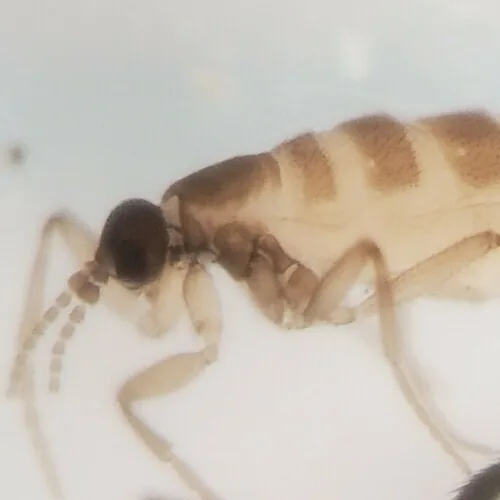
Field Identification
If leaves, stems, or fruit suddenly look spotted, sunken, or rotting, potato scab may already be active. This problem often starts small, then spreads across healthy tissue before most growers realize how serious it is. Warmth, moisture, and crowded foliage usually speed it up. Treat early, because waiting even a few days can turn a manageable infection into major crop loss.
Look for a pattern, not one bad leaf: expanding spots, dark or pale halos, fuzzy growth, or tissue that collapses when touched. Check both leaf surfaces, stem bases, and fruit scars where symptoms first appear. New lesions after rain, overhead watering, or heavy dew are a strong clue. When separate spots begin merging into larger dead patches, the disease is advancing quickly.
Not sure what you have? Use the symptom diagnosis tool →
How to Deal With It
Organic Control Methods
Competitive soil bacteria and non-pathogenic Streptomyces products sometimes colonize tuber skin ahead of scab bacteria when applied as in-furrow or soil treatments -- read OMRI and trial results. Green manures of mustard or sudangrass release biofumigation compounds when mowed and incorporated quickly; timing and biomass matter. Diverse rotations build microbial communities that suppress scab slowly over years; one compost tea does not replace pH and water discipline.
Streptomyces scabies infects young tuber skin during lenticel formation when soil is warm and dry -- the critical window is tuber initiation, not harvest week. Use certified seed potatoes and avoid planting in fields with high scab history. Lengthen rotation away from potatoes, beets, and carrots that keep scab in soil. In dry springs, irrigate during knobby tuber formation so lenticels do not crack from drought stress.
Keep soil pH near 5.2 to 5.5 for scab-sensitive varieties if the rest of your rotation allows; lime-loving crops in the same bed fight this. Avoid fresh manure before potatoes; use composted manure only. Choose scab-resistant cultivars for problem fields. Maintain steady soil moisture -- wild swings between dust and mud crack lenticels and invite infection.
Add organic matter to buffer moisture swings, but avoid chunky unfinished material that dries into clods around tubers. Tillage that leaves cloddy dry pockets around developing tubers concentrates scab; aim for a fine, even seedbed. Stone separation helps market quality but does not fix biology; still, smooth tubers show fewer deep scars.
No reliable foliar spray cures scab; damage is already done under the soil line. Soil applications of competitive microbials show variable results -- match label rates to soil temperature and organic matter. Some products are OMRI listed; efficacy still varies by field. Focus budget on pH, water, rotation, and resistant varieties before buying exotic brews.
Let Nature Handle It
Natural Enemies
- Antagonistic Streptomyces spp.
- Competitive Bacillus spp.
Threat Map