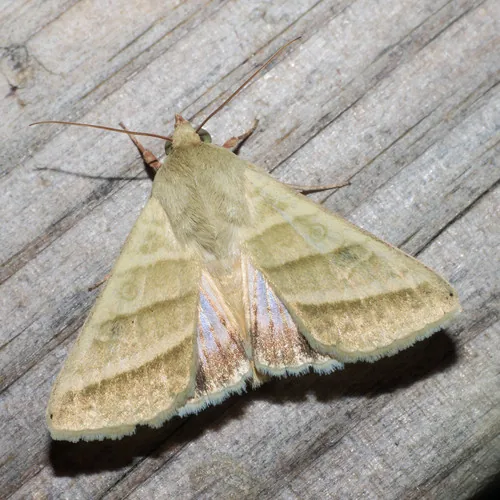
Field Identification
If leaves look shredded overnight or fruit has fresh chew holes, tobacco budworm may be feeding right now. These larvae can eat fast and strip a healthy plant in a short window. Young stages are easy to miss, then damage suddenly explodes as they grow. Catch them early to avoid severe defoliation and contaminated harvests.
Check leaf undersides, growing tips, and stem junctions for eggs, frass pellets, and feeding scars. Larvae vary in color, but most have a soft segmented body and blend into foliage. Look at dusk or early morning when many species feed more actively. Fresh chewing plus live larvae or droppings on lower leaves confirms an active caterpillar outbreak.
Not sure what you have? Use the symptom diagnosis tool →
How to Deal With It
Organic Control Methods
Trichogramma wasps parasitize moth eggs on leaves when releases are timed to local flights. Braconid wasps turn larvae into rice-grain mummies. Minute pirate bugs and lacewing larvae attack tiny larvae before they tunnel into squares. These benefits vanish if you spray pyrethrin on a calendar; rotate modes of action and scout before spraying. Flowering insectaries between rows feed adult parasitoids when cotton or peppers are still small.
Scout terminals, flower buds, and small fruit for pinholes and frass twice weekly during warm nights -- budworm larvae hide inside squares fast. Use blacklight or pheromone traps where extension bulletins give thresholds for your crop. Flag fields that showed early stings last year; moths remember good hosts. In high tunnels, screen vents before adults migrate from outdoor crops.
Till or remove crop residue after harvest so pupae have fewer overwintering pockets in vegetable fields. Avoid planting tomato after pepper after cotton in the same pocket garden without a break -- you stack generations. Remove nightshade weeds that host larvae between cash crops. Balance nitrogen; excessive leaf pushes endless hiding places.
Hand-remove larvae on small plantings when you catch them outside buds -- drop into soapy water. Row covers over transplants block adults until flowering; remove covers for pollination or use self-fertile varieties. For a few patio peppers, nightly headlamp patrols beat sprayers.
Bacillus thuringiensis kurstaki must be eaten by small larvae -- spray before they tunnel into buds and squares. Spinosad reaches larvae feeding openly on leaf edges; it penetrates slightly into rolled leaves. Timing beats potency once larvae shelter inside fruiting structures. Spray at dusk to reduce bee exposure on open blooms. Reapply after rain; Bt washes off fast.
Let Nature Handle It
Natural Enemies
- Trichogramma spp.
- Braconid wasps
- Predatory bugs
Threat Map