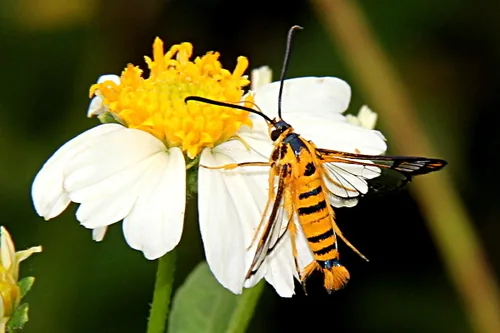
Field Identification
If new growth is curling, yellowing, sticky, or chewed, persimmon borer may already be on the plant. This pest often builds quietly, then damage appears all at once. Feeding stress weakens growth, reduces yield, and opens the door to secondary disease. Early cleanup is much easier than fighting a full population surge later.
Inspect the newest growth first: leaf undersides, flower buds, stem joints, and tender tips where pests gather. Look for body shape, color, eggs, cast skins, honeydew, webbing, or fresh puncture marks. A hand lens and a white paper tap test help reveal small life stages. Matching visible pests with fresh plant damage confirms active infestation.
Not sure what you have? Use the symptom diagnosis tool →
How to Deal With It
Organic Control Methods
Braconid wasps sometimes parasitize persimmon borer larvae in galleries when wood is still sound enough for wasp ovipositors to reach. Woodpeckers excavate shallow tunnels and pull larvae -- alarming to watch, often better than silent tunneling. Ants do not fix borers; they farm other insects. If you see parasitoid cocoons on bark, delay trunk sprays until wasps emerge.
Adults lay eggs on sun-warmed bark and fresh wounds -- inspect trunks in late spring for new sawdust and oozing gum. Mulch from the dripline inward but keep mulch off the trunk collar -- moisture against bark invites rot and secondary pests. Map trees with repeat attacks and prioritize painting or guarding those trunks before flight.
Avoid mower and string-trimmer strikes; paint trunks white in hot climates to reduce sunscald that cracks bark. Remove and chip heavily infested limbs during dormancy before adults emerge. Sterilize pruning tools between trees if bacterial diseases also plague the block. Water deeply but infrequently; drought stress does not help recovery after borer injury.
Probe flexible wire into live galleries to crush larvae when tunnels are still shallow -- backyard trees repay the time. Bag infested cut wood before adults emerge in spring; do not store it in the garage. For valuable trees, trunk wraps or mesh guards during flight exclude egg-lay if they do not trap moisture against bark.
Sprays rarely reach larvae deep in wood; trunk sprays of neem or spinosad can deter egg-lay on fresh wounds if timed to adult flight -- monitor with pheromone or blacklight traps where available. Repeat after rain. Focus budget on wound prevention and wood removal; chemistry is backup, not foundation.
Let Nature Handle It
Natural Enemies
- Braconid Wasps
- Woodpeckers
- Ants
Threat Map