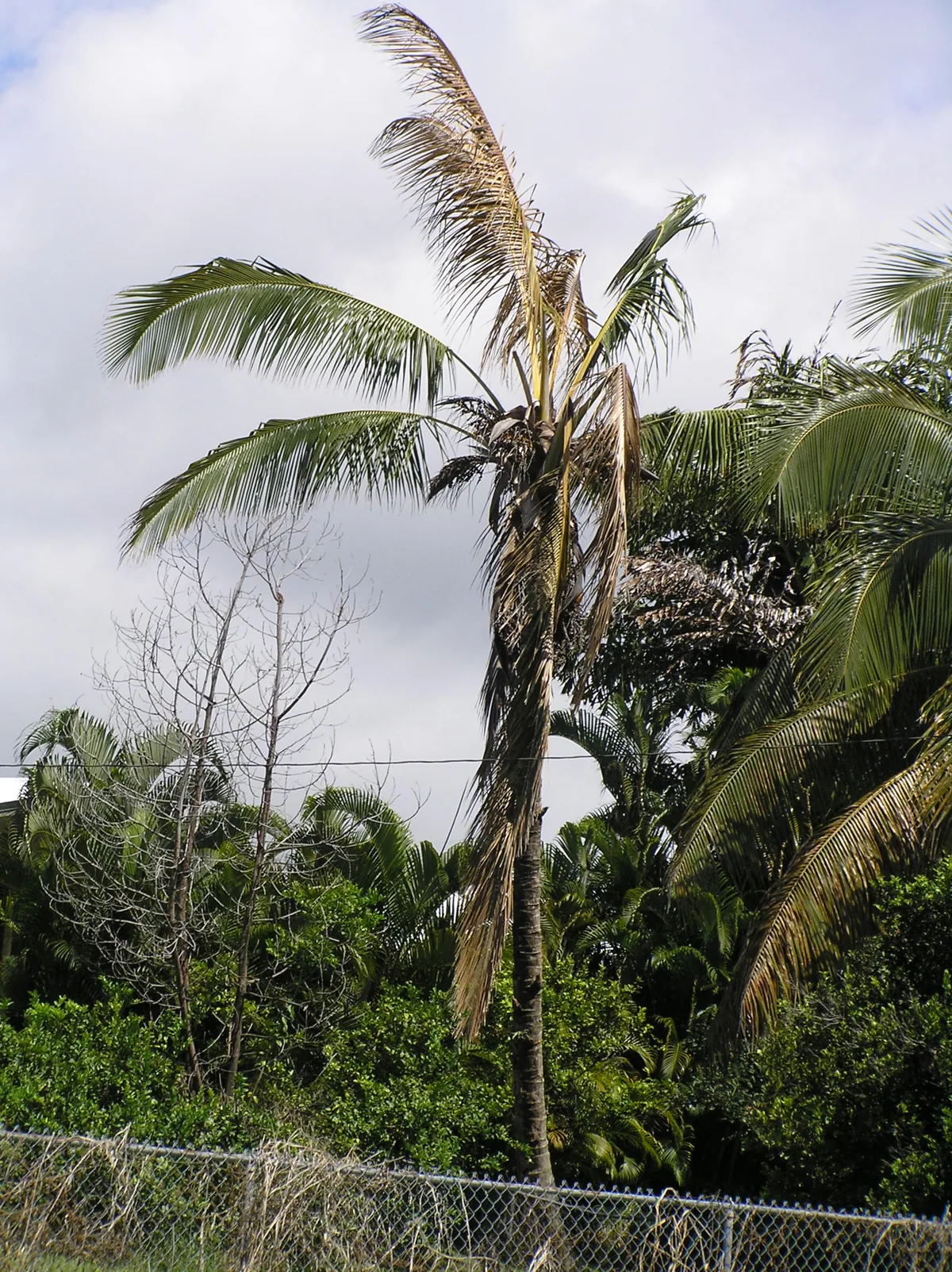
Field Identification
If leaves, stems, or fruit suddenly look spotted, sunken, or rotting, heart rot may already be active. This problem often starts small, then spreads across healthy tissue before most growers realize how serious it is. Warmth, moisture, and crowded foliage usually speed it up. Treat early, because waiting even a few days can turn a manageable infection into major crop loss.
Look for a pattern, not one bad leaf: expanding spots, dark or pale halos, fuzzy growth, or tissue that collapses when touched. Check both leaf surfaces, stem bases, and fruit scars where symptoms first appear. New lesions after rain, overhead watering, or heavy dew are a strong clue. When separate spots begin merging into larger dead patches, the disease is advancing quickly.
Not sure what you have? Use the symptom diagnosis tool →
How to Deal With It
Organic Control Methods
Trichoderma and other competitive fungi show up in research as wound protectants sprayed onto fresh cuts -- they may slow colonization if applied immediately, not five seasons late. Soil drench biology does not pull white rot out of structural wood; it nudges soil balance around healthy roots. Antagonistic microbes are a small piece next to sanitation and tree mechanics. Do not buy a compost tea instead of calling an arborist when a trunk sounds hollow.
Ganoderma and related basidiomycetes infect through roots and old wounds, then digest wood from the inside -- the fruiting shelf appears after damage is done. Inspect palm and tree bases after storms for fresh cracks or conks starting. Never plant a new palm directly over old palm roots, stumps, or buried wood chips from infected trees; the fungus lives in buried wood for years. Map removals on your property so you do not forget where inoculum hides when you redesign the yard five years later.
Avoid mower and string-trimmer wounds at soil line; keep mulch back from trunks and palm boots so tissue stays dry. Do not lion-tail palms or spike declining trunks for holiday lights; every injury is a new infection court. Fix drainage so roots do not suffocate in soup while fungi eat heartwood upstairs. Do not irrigate splash onto conks; you spread spores across the landscape. In public spaces, rope off hazard zones before failure, not after a branch lands on a car.
Remove trees and palms that show structural decay, leaning, or hollow sounds when tapped -- heart rot is a safety problem first. Chip infested material under biosecurity rules; some regions restrict movement of palm debris. Sterilize chains and saw bars between healthy and suspect cuts so you do not inoculate the next job. Replace with species suited to site, not the same vulnerable palm on the same diseased root pad. Cabling a rotted trunk only delays the inevitable.
Copper, phosphite, and similar materials show up in debates about palm health support -- they do not rebuild hollow load-bearing wood. Labels may allow some applications to reduce stress pathogens in living tissue; they are not a cure for advanced decay. If an arborist says removal, believe them before the spray rep does. Focus budget on safe removal and replanting with clean stock on fresh ground.
Let Nature Handle It
Natural Enemies
- Competitive Saprotrophic Fungi
- Trichoderma spp.
Threat Map