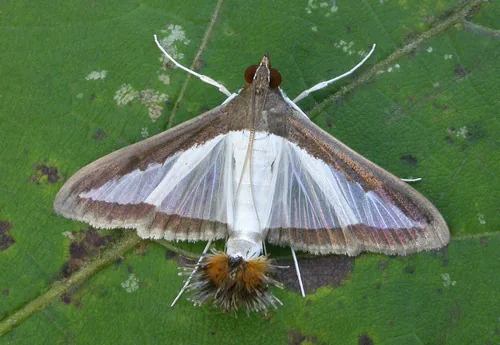
Field Identification
If leaves look shredded overnight or fruit has fresh chew holes, melonworm may be feeding right now. These larvae can eat fast and strip a healthy plant in a short window. Young stages are easy to miss, then damage suddenly explodes as they grow. Catch them early to avoid severe defoliation and contaminated harvests.
Check leaf undersides, growing tips, and stem junctions for eggs, frass pellets, and feeding scars. Larvae vary in color, but most have a soft segmented body and blend into foliage. Look at dusk or early morning when many species feed more actively. Fresh chewing plus live larvae or droppings on lower leaves confirms an active caterpillar outbreak.
Not sure what you have? Use the symptom diagnosis tool →
How to Deal With It
Organic Control Methods
Parasitic wasps attack melonworm eggs and young larvae on leaf undersides; braconids leave white cocoons next to dying caterpillars. Assassin bugs and spiders pick off larvae crawling between webbed leaves. If you see parasitized larvae, pause broad sprays for forty-eight hours. Trichogramma releases help on commercial melons when timing matches flights -- not magic on a single backyard hill without monitoring.
Melonworms and pickleworms share habits -- warm nights, multiple generations, eggs on leaf undersides. Scout the newest growth twice weekly and look for tiny pale eggs before leaves roll into tunnels. Remove field-edge pigweed and volunteer cucurbits that host early flights. In tunnels, hang yellow sticky ribbons at door height to show when moths move in from outside.
Avoid excess nitrogen that pushes huge dark leaves -- melonworms skeletonize foliage fast when vines are pumped. Keep harvest on schedule so fruit does not sit rotting under leaves. Strip old leaves that touch soil to cut humidity inside webs. Rotate cucurbit fields in big farms; in backyards, remove vines promptly after harvest so pupae have fewer overwintering pockets under plastic mulch.
Hand-remove egg clusters and young larvae before they roll leaves -- wear gloves; frass stains. Crush webbed terminals into soapy water when numbers are low. Row covers on young vines block moths until flowering; plan pollination access. For a few plants, vacuum larvae with a handheld crevice tool on cool mornings when they sit still.
Bacillus thuringiensis products work on small larvae eating treated tissue -- add spreader and spray leaf undersides and inside silk webs. Spinosad helps when larvae web leaves tightly; still hit young stages. Spray in evening to protect pollinators on open cucurbit flowers. Reapply after heavy rain or overhead irrigation. Rotate Bt and spinosad in greenhouses to slow resistance.
Let Nature Handle It
Natural Enemies
- Parasitic Wasps
- Predatory Beetles
Threat Map