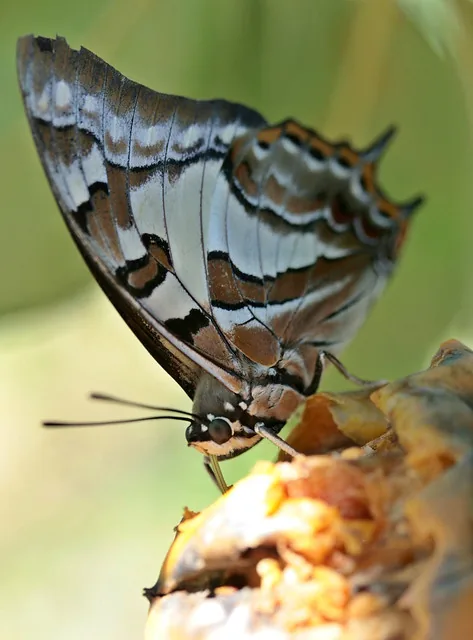
Field Identification
If leaves show trails, fruit turns soft, or roots collapse from inside, pomegranate butterfly may already be feeding. The larval stage does most of the damage, often hidden where you cannot see it at first glance. By the time yellowing or rot appears, feeding may be well underway. Move quickly when symptoms begin to prevent another wave of eggs and larvae.
Watch for tiny eggs near plant tissue, pale legless larvae inside mines or fruit, and sudden soft spots or tunnels. Adults are usually small flies that hover or dart when disturbed. Check around wounds, blossoms, and moist plant debris where egg-laying is common. Cut open suspect tissue: live maggots or fresh tunnels are the clearest field confirmation.
Not sure what you have? Use the symptom diagnosis tool →
How to Deal With It
Organic Control Methods
Parasitic wasps attack caterpillar eggs and larvae on pomegranate leaves when diverse habitat exists nearby -- skip pyrethrin during early egg waves or you kill the wasps first. Birds and assassin bugs pick off larger larvae on outer branches. Spiders snag adults at dusk. These predators help backyard trees more than monoculture blocks sprayed weekly.
Hypolimnas bolina adults lay eggs on tender leaves and fruit -- scout weekly from flush through fruit set for egg clusters and fresh chew marks. Flag trees that showed caterpillars last year; walk those canopies first. Quarantine new nursery trees before they join the row.
Remove and bag heavily infested leaves and fruit when numbers are still local -- do not drop them under the canopy. You cannot rotate a pomegranate orchard like a vegetable bed; focus on sanitation and canopy openness. Avoid nitrogen waterfalls that push endless soft flushes; each flush is new egg-lay surface.
Row covers on dwarf pomegranates block egg-laying adults when frames seal -- remove during bloom for pollination or hand-pollinate a few flowers. Hand-pick larvae into soapy water on small trees; clip whole twigs with clusters if needed. Fine mesh fruit sleeves exclude larvae on high-value fruit if labor allows.
Bacillus thuringiensis kurstaki works on small caterpillars eating treated leaf -- spray before larvae bore into fruit. Neem and insecticidal soap reduce feeding on exposed larvae; coverage must hit undersides. Spray at dusk to spare bees on open pomegranate blooms. Reapply after rain; Bt washes off quickly.
Let Nature Handle It
Natural Enemies
- Parasitic Wasps
- Birds
- Predatory Insects