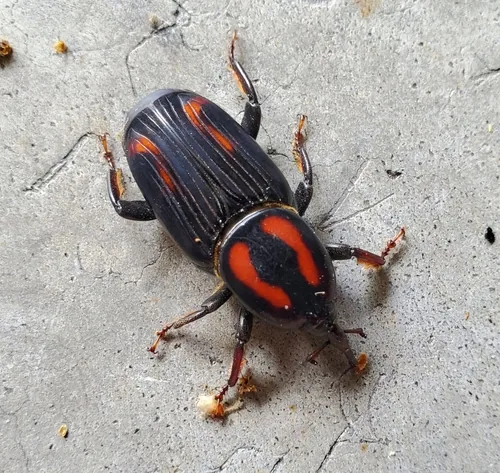
Field Identification
If plants are wilting, notching at the edges, or fruit and roots show hidden feeding damage, palmetto weevil may be the cause. Adults chew above ground while larvae often feed out of sight inside soil, stems, or fruit. Damage builds quietly, then plants crash fast when roots are heavily hit. Act early so a small weevil problem does not become a season-long infestation.
Look for small beetles with a hard body and a distinct snout, usually active at dawn, dusk, or night. Check for crescent-shaped leaf notches, punctures in fruit, or tiny entry holes near stems. In soil or damaged tissue, larvae are often pale, legless, and curved in a C-shape. Fresh chew marks plus snout beetles or C-shaped grubs confirm active weevil pressure.
Not sure what you have? Use the symptom diagnosis tool →
How to Deal With It
Organic Control Methods
Woodpeckers and flickers sometimes tear palm crowns apart to extract large white grubs -- dramatic, loud, and only useful before the heart collapses. Entomopathogenic fungi such as Beauveria bassiana and Metarhizium anisopliae infect larvae and adults when applications stay moist in the crown long enough for spores to work. Ants may harass weakened adults on the ground but do not rescue a mined meristem. Birds and fungi help at the edges; stressed palms still need human decisions about removal versus treatment.
Palmetto weevil targets stressed, transplanted, or recently wounded palms first -- walk new plantings weekly and look for notched fronds, holes at the crown, or a fermented smell. Fix irrigation before you blame mysterious wilt on disease alone. Brace transplants so trunks do not rock and split; every wound is an invitation. Do not pound support spikes through declining trunks as a quick fix; you add entry points. In landscapes, replace sick sabal or other hosts before they become brood factories visible from the road.
Avoid trunk wounds during transport and planting; lift from root balls, not by wrapping chains around stems. Remove declining specimens promptly and chip debris on site when local rules allow, so larvae do not finish development in a log pile. Sterilize saws between palms if bacterial diseases also plague the block. Maintain potassium and magnesium nutrition in sandy soils -- chronic deficiency weakens palms and stretches recovery time. In cold snaps, wait to prune until new growth hardens; fresh cuts during adult flight invite egg layers.
Where crowns are reachable, probe galleries with flexible tools and destroy larvae you can feel -- disgusting but direct. Compare hauling infested trunks across town versus chipping on site; moving grubs spreads the problem. For valuable short palms, some managers wrap crowns with mesh during peak adult months; combine with sanitation. Sticky bands on trunks rarely stop strong fliers; invest effort in wounds and stress reduction instead.
Beauveria bassiana or Metarhizium sprays into the crown target active larvae and adults when labels list palms -- apply as high-volume sprays or drenches so liquid reaches leaf bases. Repeat during flight periods and after rain per label. Coverage deep in the crown matters more than brand; a mist that never penetrates axils wastes money. Pair sprays with removal of soggy dead tissue when safe. Organic oils and soaps help only on contact with exposed adults, not with larvae deep in meristem.
Let Nature Handle It
Natural Enemies
- Woodpeckers
- Beauveria bassiana
- Metarhizium anisopliae
Threat Map