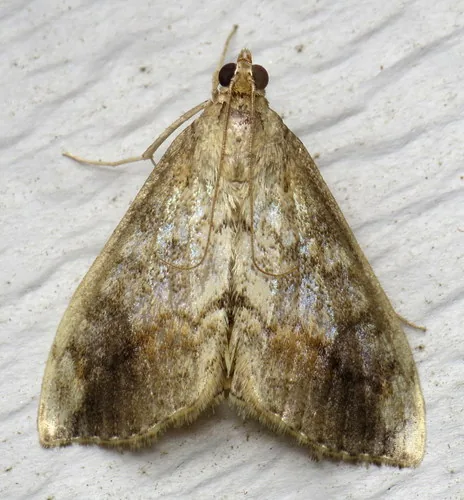
Field Identification
If leaves look shredded overnight or fruit has fresh chew holes, cross-striped cabbageworm may be feeding right now. These larvae can eat fast and strip a healthy plant in a short window. Young stages are easy to miss, then damage suddenly explodes as they grow. Catch them early to avoid severe defoliation and contaminated harvests.
Check leaf undersides, growing tips, and stem junctions for eggs, frass pellets, and feeding scars. Larvae vary in color, but most have a soft segmented body and blend into foliage. Look at dusk or early morning when many species feed more actively. Fresh chewing plus live larvae or droppings on lower leaves confirms an active caterpillar outbreak.
Not sure what you have? Use the symptom diagnosis tool →
How to Deal With It
Organic Control Methods
Ichneumonid and braconid wasps parasitize cross-striped cabbageworm larvae; you see cocoons stuck to leaves or tiny white eggs on caterpillar skin. Ground beetles pull larvae off leaves at night. Diverse field margins feed adult parasitoids -- mowing every border to bare dirt removes their fuel. Skip broadcast pyrethrin during peak parasitism; you farm worms alone afterward.
Moths lay eggs on leaf undersides -- scout seedlings for window-pane feeding and small green larvae before they tunnel into heads. Check inner wrapper leaves on first cabbage heads; larvae hide where sprays miss. Flag fields with history; walk those rows first each spring. Use degree-day models if your extension publishes them for your region.
Rotate brassicas with unrelated crops so pupae in soil meet something they cannot eat. Destroy brassica stumps after harvest; larvae finish feeding in stalk bases. Manage wild mustard and shepherd's purse along edges; they host the same moth. Avoid back-to-back collards without a soil break in small gardens.
Floating row covers on transplants exclude moths until heads need space -- seal edges. Night collection with UV light or headlamps on small plots removes larvae when numbers are low. Shake plants over a sheet in cool mornings and stomp survivors.
Bacillus thuringiensis kurstaki kills small caterpillars that eat treated leaf -- spray inner leaves and heart leaves thoroughly. Spinosad helps when larvae hide deeper; still target young stages. Add spreader-sticker on waxy cabbages. Spray at dusk to spare bees on open brassica flowers if you let some bolt for seed. Reapply after rain.
Let Nature Handle It
Natural Enemies
- Ichneumonid wasps
- Braconid wasps
- Predatory beetles
Threat Map