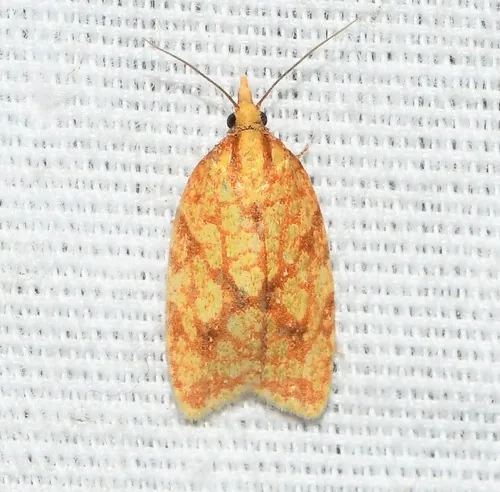
Field Identification
If leaves look shredded overnight or fruit has fresh chew holes, sparganothis fruitworm may be feeding right now. These larvae can eat fast and strip a healthy plant in a short window. Young stages are easy to miss, then damage suddenly explodes as they grow. Catch them early to avoid severe defoliation and contaminated harvests.
Check leaf undersides, growing tips, and stem junctions for eggs, frass pellets, and feeding scars. Larvae vary in color, but most have a soft segmented body and blend into foliage. Look at dusk or early morning when many species feed more actively. Fresh chewing plus live larvae or droppings on lower leaves confirms an active caterpillar outbreak.
Not sure what you have? Use the symptom diagnosis tool →
How to Deal With It
Organic Control Methods
Trichogramma wasps parasitize moth eggs on leaves and fruit when releases line up with real flights -- order from an insectary that times shipments to your degree-day model, and release in cool evenings onto dry foliage. Braconid and ichneumonid wasps attack fruitworm larvae, but only if larvae still feed exposed on the surface -- once they tuck under berries, parasitoids lose access. Preserve these helpers by avoiding blanket pyrethrin during peak parasitism windows and by leaving modest hedgerow habitat. In cranberry bogs, flooding for harvest and winter ice may drown some pupae in litter -- not classical biocontrol, but it resets carrying capacity when coordinated with your IPM plan.
Hang species-specific pheromone traps to mark biofix when adults first fly -- that date sets every later spray window. Count catches twice weekly; when the line jumps, add roughly two weeks and start walking fruit rows for fresh webbing and single berry holes. Remove wild alternate hosts on bog edges that hold unmanaged broods if regulations allow. In renovation years, strip excessive woody litter where older larvae spin tough cocoons. Plan bee-safe intervals before bloom so you are not inventing emergency sprays during petal fall.
Winter sanding and ice management on commercial cranberry beds buries or abrades some overwintering larvae where that practice fits your watershed rules -- it is about breaking one life stage, not aesthetics. In garden blueberries and brambles, rake mummies and old fruit from under plants after harvest to deny larvae a quiet pupation site. Prune dense canopies so sprays and sunlight reach inner fruit clusters during the short petal-fall to early fruit window. Synchronize irrigation so long leaf wetness does not stack on top of insecticide films you worked to place. Rotate chemistries if you spray at all so you do not select spinosad-resistant larvae in one hot decade.
Mating disruption dispensers work on large, contiguous cranberry acres where synthetic pheromone fog keeps males from finding females -- it is rarely economical on a single backyard row. For home scale, bag clusters or use fine exclusion netting after pollination if fruitworm pressure is chronic -- you are excluding moths during egg-lay, not bees during bloom. Hand crush larvae when you open berry clusters during weekly picks; early holes are easier to see than late frass explosions. Vacuum or blow debris from bog dikes after harvest to reduce overwintering sites where mechanical sanitation is permitted.
Bacillus thuringiensis kurstaki kills young caterpillars that actively ingest treated tissue -- spray at petal fall and again seven to ten days later while larvae are still small enough to eat enough crystal protein. Spinosad penetrates leaf cuticle slightly better and helps when larvae roll leaves or web berries together; still target small stages. Use high water volume and air induction nozzles so spray reaches the underside of arching cranberry vines. Reapply after hard rain. Stop and avoid spraying open flowers when bees work; shift to evening if you must treat during bloom windows.
Let Nature Handle It
Natural Enemies
- Trichogramma spp.
- Braconid Wasps
- Ichneumonid Wasps
Threat Map