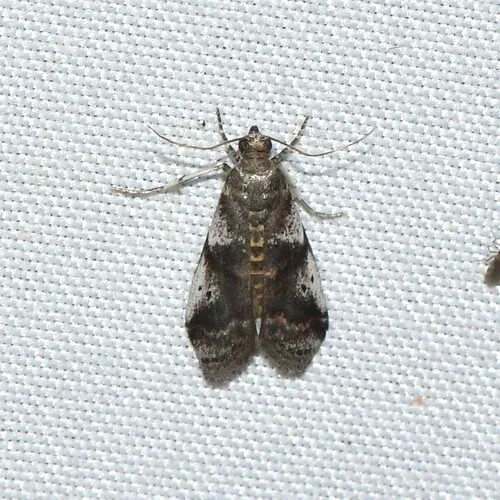
Field Identification
If leaves look shredded overnight or fruit has fresh chew holes, cranberry fruitworm may be feeding right now. These larvae can eat fast and strip a healthy plant in a short window. Young stages are easy to miss, then damage suddenly explodes as they grow. Catch them early to avoid severe defoliation and contaminated harvests.
Check leaf undersides, growing tips, and stem junctions for eggs, frass pellets, and feeding scars. Larvae vary in color, but most have a soft segmented body and blend into foliage. Look at dusk or early morning when many species feed more actively. Fresh chewing plus live larvae or droppings on lower leaves confirms an active caterpillar outbreak.
Not sure what you have? Use the symptom diagnosis tool →
How to Deal With It
Organic Control Methods
Trichogramma wasps parasitize fruitworm eggs when releases align with moth flight in IPM bogs -- coordinate with insect suppliers and degree-day models. Braconid wasps attack caterpillars on foliage before larvae web berries together. Ground beetles scavenge pupae near the soil surface. Preserve these helpers by avoiding blanket pyrethrin during peak parasitism windows and by leaving modest wild Vaccinium only where it does not touch your crop edge with unmanaged larvae.
Hang species-specific pheromone traps to mark biofix when adults first fly -- that date sets spray windows. Scout uprights for webbed tips and single berry entry holes before larvae move into clusters; early holes are cheaper than late rot. Remove unmanaged wild lowbush and huckleberry near bog edges if regulations allow; they harbor the same moth. Coordinate area-wide sanitation so neighbors are not breeding moths upwind of your bloom.
Extended flood duration where water quality rules allow can drown overwintering larvae in litter -- follow extension schedules, not guesses. Synchronize bee-safe spray timing with bloom; early morning or evening applications reduce bee exposure if labels permit. Rotate chemistries across years in integrated programs so you do not select spinosad-resistant larvae. After harvest, remove debris from problem corners to lower larval carryover.
Vacuuming adults at lights works in research trials and is impractical at field scale -- use it as a story, not a plan. Row covers are rare on commercial bogs but work on garden beds if you can manage pollination. For small patches, hand-remove webbed tips before larvae tie berries together. Fine mesh screens on high tunnels exclude moths if every vent seals.
Bacillus thuringiensis kurstaki and spinosad target newly hatched larvae during early bloom through petal fall while larvae still feed on exposed flowers and stems. Use enough water volume to penetrate low, dense vines; air-induction nozzles help. Stop spraying open flowers when bees work unless labels and bee rules allow specific windows. Reapply after heavy rain. Bt stops working once larvae burrow into berries; timing beats potency.
Let Nature Handle It
Natural Enemies
- Trichogramma spp.
- Braconid Wasps
- Ground Beetles (Carabidae)
Threat Map