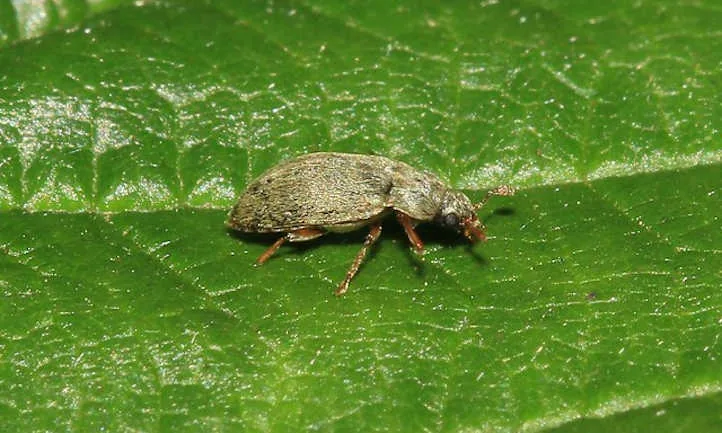
Field Identification
If new growth is curling, yellowing, sticky, or chewed, raspberry beetle may already be on the plant. This pest often builds quietly, then damage appears all at once. Feeding stress weakens growth, reduces yield, and opens the door to secondary disease. Early cleanup is much easier than fighting a full population surge later.
Inspect the newest growth first: leaf undersides, flower buds, stem joints, and tender tips where pests gather. Look for body shape, color, eggs, cast skins, honeydew, webbing, or fresh puncture marks. A hand lens and a white paper tap test help reveal small life stages. Matching visible pests with fresh plant damage confirms active infestation.
Not sure what you have? Use the symptom diagnosis tool →
How to Deal With It
Organic Control Methods
Minute parasitic wasps sometimes attack beetle larvae inside fruit, but you will rarely see them on a small scale -- the real biocontrol crew is birds, toads, and predatory ground beetles that snap adults on the ground. Spiders snag adults in flight near overripe buckets. Avoid night spraying of broad pyrethrin across the whole yard during peak bird activity; you trade a few beetles for a season of hungry helpers. In commercial rows, preserve ditch banks and fencerows so generalists have alternate prey when berries are still green.
Sap beetles in the Glischrochilus group smell fermentation before you do -- the prevention program is harvest rhythm and trash discipline, not magic tonic. Pick ripe fruit every day during heat waves and remove damaged, bird-pecked, or split berries the same hour they appear. Do not leave buckets of culls in the alley; flies and beetles recruit from piles. Mow or remove weed hosts that hold rotting fruit near the patch. Before season starts, power-wash picking crates and destroy last year's pomace piles where adults overwinter in debris.
Open the canopy enough that fruit dries after rain -- tight, shaded clusters rot first and beetles find them by scent. Mulch with material that does not hold old berries at the soil surface; rake mummies. In diversified yards, isolate composting fruit from the berry row with distance or sealed bins. Train pickers to drop damaged fruit into a dedicated kill bucket, not under plants. Rotate u-pick routes so the inner rows do not become fermenting islands ignored until Saturday.
Deploy white or clear sticky traps along row edges and near known problem corners -- adults blunder into them while following volatiles. Shake canes over a light sheet in early morning and stomp or drop beetles into soapy water before they fly. For organic farms, vacuum beetles from trays or windrows of culled fruit before turning that material. Fine netting over the row after pollination excludes some adults if edges are buried; it helps most when combined with sanitation, not when rotten fruit still sits under the mesh.
Neem and insecticidal soap do not fix berries already full of larvae -- they only contact adults and wandering larvae on the outside when coverage is thorough. Spray at dusk, hit fruit clusters and the soil surface where adults hide, and repeat after rain. Pyrethrin gives a fast knockdown before harvest-only windows but kills pollinators and predators if misapplied to open flowers -- avoid bloom. Kaolin on fruit may reduce landing; rebuild film after irrigation. Always check pre-harvest intervals on the label for your crop and market.
Let Nature Handle It
Natural Enemies
- Birds
- Parasitic Wasps
- Predatory Beetles
Threat Map