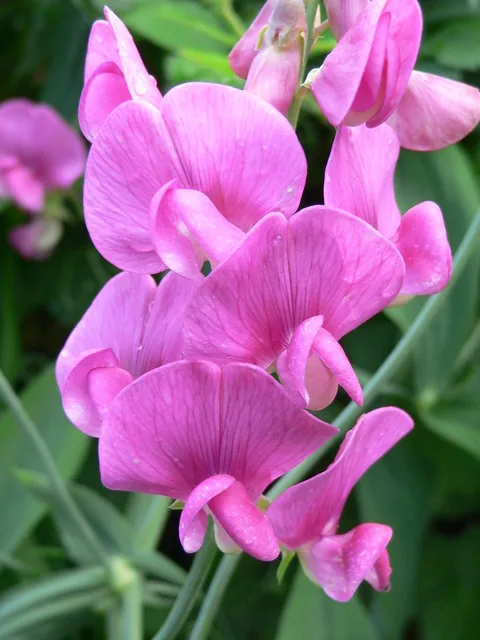
Field Identification
If new growth is curling, yellowing, sticky, or chewed, pea moth may already be on the plant. This pest often builds quietly, then damage appears all at once. Feeding stress weakens growth, reduces yield, and opens the door to secondary disease. Early cleanup is much easier than fighting a full population surge later.
Inspect the newest growth first: leaf undersides, flower buds, stem joints, and tender tips where pests gather. Look for body shape, color, eggs, cast skins, honeydew, webbing, or fresh puncture marks. A hand lens and a white paper tap test help reveal small life stages. Matching visible pests with fresh plant damage confirms active infestation.
Not sure what you have? Use the symptom diagnosis tool →
How to Deal With It
Organic Control Methods
Trichogramma egg parasitoids attack pea moth eggs before they hatch -- release weekly during adult flight periods for best results. Generalist parasitoid wasps attack larvae. Support beneficial insects with diverse flowering plants at plot edges -- dill, fennel, and sweet alyssum sustain parasitoid wasp populations. Early-maturing pea varieties escape the worst late-season pressure from second generation moths. Diverse rotations and flowering habitat at field margins maintain parasitoid communities that regulate pea moth populations over seasons.
Pea moth larvae tunnel into pods and feed on developing seeds -- infested pods look normal until opened, revealing caterpillar frass and damaged seeds. Adults are small brown moths that fly at dusk. Pheromone traps establish biofix for timing spray applications accurately -- record first catch dates yearly to build a local management calendar. Early-maturing varieties planted and harvested before peak moth flight escape most damage.
Choose early-maturing cultivars that complete pod fill before peak moth flight in your area. Destroy crop residues immediately after harvest -- larvae drop from pods to pupate in soil under the crop. Avoid planting peas adjacent to vetches and wild Pisum species that host pea moth populations. Wide rotation away from legume family crops reduces local moth populations over seasons.
Floating row covers until flowering exclude adult moths from laying eggs -- remove for pollination then replace, or hand-pollinate inside covers for complete protection. Harvest promptly when pods are ready -- larvae complete development faster in mature pods. Pheromone traps monitor adult flight and tell you exactly when to apply sprays.
Bt kurstaki applied during egg hatch from pheromone trap biofix targets young larvae before they enter pods -- once inside pods larvae are completely protected from contact sprays. Coat all pod surfaces thoroughly. Apply in the evening. Spinosad provides stronger activity and longer residual where Bt timing was missed. Timing from pheromone trap biofix is more important than product choice -- the right spray at the right time outperforms the best product applied at the wrong moment.
Let Nature Handle It
Natural Enemies
- Trichogramma spp.
- Braconid Wasps
Threat Map