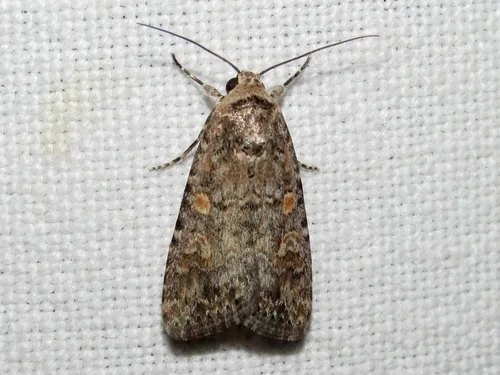
Field Identification
If leaves look shredded overnight or fruit has fresh chew holes, beet armyworm may be feeding right now. These larvae can eat fast and strip a healthy plant in a short window. Young stages are easy to miss, then damage suddenly explodes as they grow. Catch them early to avoid severe defoliation and contaminated harvests.
Check leaf undersides, growing tips, and stem junctions for eggs, frass pellets, and feeding scars. Larvae vary in color, but most have a soft segmented body and blend into foliage. Look at dusk or early morning when many species feed more actively. Fresh chewing plus live larvae or droppings on lower leaves confirms an active caterpillar outbreak.
Not sure what you have? Use the symptom diagnosis tool →
How to Deal With It
Organic Control Methods
Nuclear polyhedrosis viruses sometimes crash armyworm outbreaks after initial flare -- do not spray the whole field on day one if larvae look sick and sluggish. Ichneumonid and braconid parasitoids plus tachinid flies attack larvae; ground beetles pull larvae off plants at night. Broad pyrethrin on night one kills these helpers while eggs keep hatching.
Pheromone traps in commercial fields show flight peaks -- scout for egg masses and early webbing on newest growth. Flag fields next to weedy margins; armyworms march from grasses into irrigated crops. Walk outside rows first; that is where immigration hits.
Disk or remove residue after harvest so pupae have fewer overwintering sites. Manage weeds that are Spodoptera hosts along ditches. Avoid staggered lettuce plantings that bridge generations across the calendar. After hay cutting nearby, scout daily -- larvae move when food disappears.
Hand-pick larvae in gardens when numbers are low -- drop into soapy water. Flush larvae from lettuce crowns with directed water, then collect from mud line. Row covers on transplants help until covers come off for head expansion.
Bacillus thuringiensis aizawai or kurstaki target small larvae eating treated tissue -- penetrate webbed feeding shelters with directed spray and enough water volume. Spinosad helps tougher instars when coverage reaches leaf axils. Spray at night to spare bees on flowering edges. Reapply after rain.
Let Nature Handle It
Natural Enemies
- Ichneumonid and braconid parasitoids
- Tachinid flies
- Predatory beetles