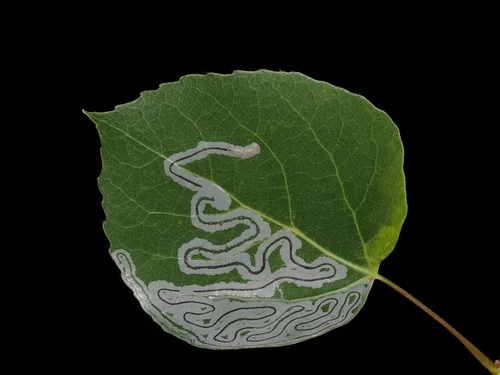
Field Identification
If new growth is curling, yellowing, sticky, or chewed, serpentine leafminer may already be on the plant. This pest often builds quietly, then damage appears all at once. Feeding stress weakens growth, reduces yield, and opens the door to secondary disease. Early cleanup is much easier than fighting a full population surge later.
Inspect the newest growth first: leaf undersides, flower buds, stem joints, and tender tips where pests gather. Look for body shape, color, eggs, cast skins, honeydew, webbing, or fresh puncture marks. A hand lens and a white paper tap test help reveal small life stages. Matching visible pests with fresh plant damage confirms active infestation.
Not sure what you have? Use the symptom diagnosis tool →
How to Deal With It
Organic Control Methods
Diglyphus isaea and Chrysonotomyia wasps parasitize leafminer larvae inside mines -- buy releases for greenhouse crops or conserve wild populations by avoiding broad-spectrum sprays during peak wasp flights. Minute pirate bugs and lacewings eat eggs and young larvae before mines start. If mummies appear on leaves, pause soap for a week.
Inspect seedlings and new transplants; quarantine greenhouse starts with sticky cards at bench height. Mow or remove weeds that host Liriomyza along crop edges; unkempt chickweed can bridge flights. Start clean; leafminers ride transplants like commuters.
Remove and hot-compost or destroy heavily mined leaves -- cool piles still host pupae. Avoid continuous solanaceous or legume blocks in greenhouses; rotate houses to non-host breaks. Reflective mulches disorient some adults in vegetable rows when sunlight hits film.
Yellow sticky cards at canopy height monitor adults and knock down some flyers in tunnels. Row cover over transplants blocks oviposition until plants outgrow covers or need trellis. Vacuum glasshouse adults before night laying begins.
Insecticidal soap, neem, and pyrethrum timed to adult activity reduce egg-lay -- thorough undersides coverage beats one heroic canopy drench. Spinosad penetrates leaf tissue for young larvae when labeled. Spray at dusk to spare parasitoids. Reapply on short intervals while overlapping generations fly.
Let Nature Handle It
Natural Enemies
- Diglyphus isaea
- Chrysonotomyia punctiventris
- Minute Pirate Bugs
- Green Lacewings