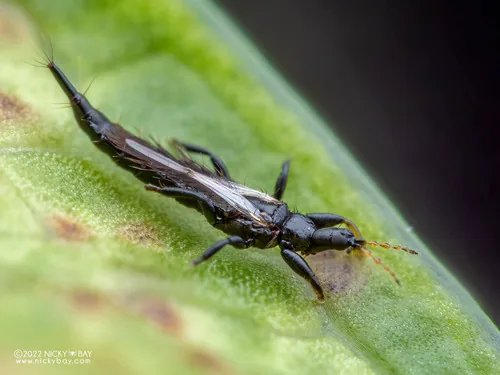
Field Identification
If new growth is curling, yellowing, sticky, or chewed, cuban laurel thrips may already be on the plant. This pest often builds quietly, then damage appears all at once. Feeding stress weakens growth, reduces yield, and opens the door to secondary disease. Early cleanup is much easier than fighting a full population surge later.
Inspect the newest growth first: leaf undersides, flower buds, stem joints, and tender tips where pests gather. Look for body shape, color, eggs, cast skins, honeydew, webbing, or fresh puncture marks. A hand lens and a white paper tap test help reveal small life stages. Matching visible pests with fresh plant damage confirms active infestation.
Not sure what you have? Use the symptom diagnosis tool →
How to Deal With It
Organic Control Methods
Minute pirate bugs and lacewing larvae hunt thrips on open leaves but struggle once leaves roll into tight cigars -- that is when thrips reproduce safely inside. Predatory mites establish if humidity stays high and calendar sprays stop. Avoid pyrethrin fogging that kills pirates while thrips rebound in three days. Leave some flowering ground cover away from hedges so adult predators have pollen when ficus is not blooming.
Inspect new ficus liners before planting; quarantine nursery material in bright shade for two weeks and tap leaves over white paper. Avoid shearing hedges into continuous soft flush during warm dry weeks -- that timing draws outbreaks. If clients demand tight topiary, shear in cooler months when thrips move slower. Flag blocks that rolled last year and scout those terminals first each spring.
Prune out heavily rolled terminals and bag them -- larvae and pupae live inside those rolls. Open dense canopies so inner leaves dry and predators hunt edges. Rake leaf litter under specimen trees if it holds old pupae in warm climates. Avoid overhead irrigation that keeps rolls wet all night; fungal rot stacks on thrips damage.
A strong water blast on reachable shrubs knocks adults and nymphs off before they re-crawl into rolls -- repeat every two to three days during a flare. For tall hedges, focus on accessible scaffold and lower canopy where equipment reaches; combine water with pruning of worst rolls. Hand-crush rolls on small plants if you enjoy dramatic results.
Insecticidal soap or neem with a spreader-sticker and enough pressure to wet inside rolled leaves -- surface misting fails. Systemic organic options are limited on edibles; on ornamentals, read labels carefully. Repeat on short intervals while new flush appears; thrips generations overlap. Spray at dusk to reduce leaf burn and to spare daytime hunters.
Let Nature Handle It
Natural Enemies
- Minute Pirate Bugs
- Lacewings
- Predatory Mites
Threat Map