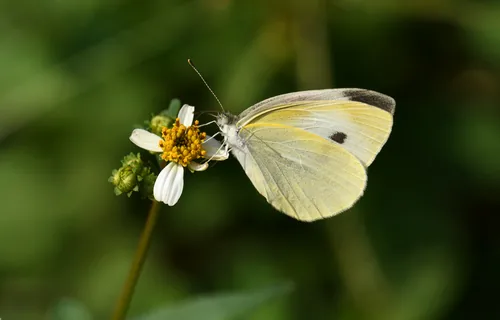
Field Identification
If leaves look shredded overnight or fruit has fresh chew holes, imported cabbageworm may be feeding right now. These larvae can eat fast and strip a healthy plant in a short window. Young stages are easy to miss, then damage suddenly explodes as they grow. Catch them early to avoid severe defoliation and contaminated harvests.
Check leaf undersides, growing tips, and stem junctions for eggs, frass pellets, and feeding scars. Larvae vary in color, but most have a soft segmented body and blend into foliage. Look at dusk or early morning when many species feed more actively. Fresh chewing plus live larvae or droppings on lower leaves confirms an active caterpillar outbreak.
Not sure what you have? Use the symptom diagnosis tool →
How to Deal With It
Organic Control Methods
Cotesia glomerata and Cotesia rubecula are parasitic wasps that specifically attack imported cabbageworm larvae and frequently collapse outbreaks naturally. A parasitized larva develops a clump of wasp cocoons on its back -- leave these larvae in place, they are doing more good dead than the parasitoids would do if you destroyed them. Trichogramma egg parasitoids attack eggs before hatch. Plant dill, fennel, and sweet alyssum to support these wasp communities. Birds feed caterpillars to nestlings in large quantities -- habitat near the garden provides continuous predation pressure.
The imported cabbageworm is the larva of the common white cabbage butterfly -- the small white butterfly in brassica beds is actively laying eggs. Single pale yellow ribbed eggs on leaf undersides hatch in 3-7 days. Checking leaf undersides weekly and crushing eggs is the highest-return preventive activity. Row covers from transplant until heading completely exclude butterflies. One butterfly can lay 200+ eggs in her lifetime -- population pressure builds rapidly without exclusion.
Red and purple brassica varieties are moderately less preferred for egg-laying. Till brassica residues immediately after harvest to expose pupae. Time planting gaps between brassica crops if local butterfly populations are high. Interplant with thyme, sage, and rosemary at bed edges -- volatile aromatics confuse butterfly navigation and support parasitoid wasps.
Floating row covers exclude adult butterflies completely -- the single most reliable control for small gardens. Smash eggs and hand-pick larvae on every scouting pass. Check forming heads thoroughly -- larvae move to inner leaves and are hidden until heading brassicas are cut and inner leaves are revealed.
Bt kurstaki while larvae are small -- apply in the evening coating all leaf surfaces including undersides where young larvae feed. Reapply every 5-7 days and after rain. Spinosad for larger larvae where Bt was missed. Leave parasitized mummy larvae on plants -- they produce the wasps that protect your next planting.
Let Nature Handle It
Natural Enemies
- Cotesia glomerata
- Cotesia rubecula
- Birds
Threat Map