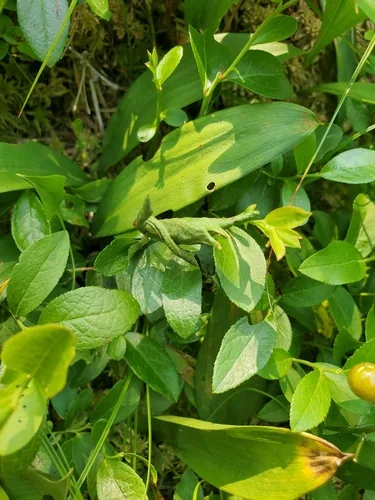
Field Identification
If leaves look shredded overnight or fruit has fresh chew holes, cranberry tipworm may be feeding right now. These larvae can eat fast and strip a healthy plant in a short window. Young stages are easy to miss, then damage suddenly explodes as they grow. Catch them early to avoid severe defoliation and contaminated harvests.
Check leaf undersides, growing tips, and stem junctions for eggs, frass pellets, and feeding scars. Larvae vary in color, but most have a soft segmented body and blend into foliage. Look at dusk or early morning when many species feed more actively. Fresh chewing plus live larvae or droppings on lower leaves confirms an active caterpillar outbreak.
Not sure what you have? Use the symptom diagnosis tool →
How to Deal With It
Organic Control Methods
Platygastrid wasps and other micro-hymenoptera parasitize cranberry tipworm larvae inside galls when humidity stays high enough for adult wasps to search. Lacewing larvae and minute pirate bugs eat eggs and tiny larvae when tips are still open. Predators fail if oil or pyrethrin sprays blanket uprights during early gall formation -- you kill the wasps before they find the midge. Leave modest wetland buffers so native parasitoids can move between beds.
Adult midges are short-lived and fly weakly -- sticky cards in uprights catch enough for trend lines, not population control. Scout weekly during shoot elongation in beds that blackened last year; early hits show as hooked tips before galls harden. Flag problem acres on a map so you walk them first next spring. Coordinate with neighbors on flood timing; isolated hot beds often sit next to unmanaged edges.
Avoid nitrogen spikes that push endless succulent tips -- each flush is a new egg-laying runway. After severe damage, prune or mow vines only where bed management plans allow restoration; reset growth carefully so you do not trade tipworm for root rot. Improve drainage so blackened tips do not also rot from fungal follow-up. In organic bogs, sync any spray window with bee-safe rules during bloom; oils risk phytotoxicity on open flowers.
Commercial cranberry flooding can drown larvae in tips when water managers follow extension recipes for depth and duration -- do not improvise on commercial systems without a plan. Home gardens may pinch early damaged tips into soapy water when only a few vines show hooks. Sanding or ice management in winter indirectly affects other pests more than midges; focus on scouting and growth management for tipworm specifically.
Neem and spinosad target adults and very young larvae when timing hits adult emergence -- harder than spraying caterpillars because adults live only a few days. Oils on bloom can hurt bees and fruit set; shift to evening and avoid open flowers unless labels allow. Repeat after rain; short adult life means mistimed sprays miss the whole flight. Combine sprays with trap counts so you are not calendar spraying into empty air.
Let Nature Handle It
Natural Enemies
- Platygastrid Wasps
- Minute Pirate Bugs
- Lacewings
Threat Map