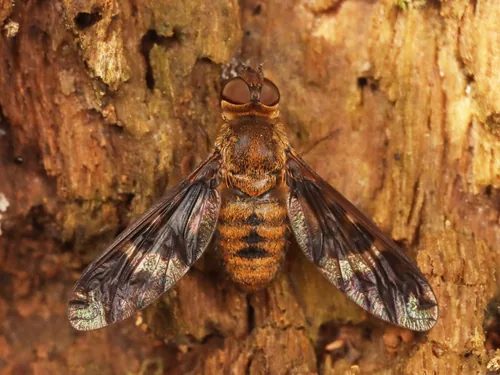
Field Identification
If leaves show trails, fruit turns soft, or roots collapse from inside, shore fly may already be feeding. The larval stage does most of the damage, often hidden where you cannot see it at first glance. By the time yellowing or rot appears, feeding may be well underway. Move quickly when symptoms begin to prevent another wave of eggs and larvae.
Watch for tiny eggs near plant tissue, pale legless larvae inside mines or fruit, and sudden soft spots or tunnels. Adults are usually small flies that hover or dart when disturbed. Check around wounds, blossoms, and moist plant debris where egg-laying is common. Cut open suspect tissue: live maggots or fresh tunnels are the clearest field confirmation.
Not sure what you have? Use the symptom diagnosis tool →
How to Deal With It
Organic Control Methods
Dalotia coriaria rove beetles hunt shore fly larvae in algae on wet floors and inside propagation trays -- they are small, fast, and worth buying for chronic greenhouses. Hypoaspis miles and similar soil mites feed on larvae and pupae in the top layer of wet media. Nematodes that target fungus gnat larvae sometimes help shore fly if you apply to saturated plugs and keep humidity high. These tools fail if you keep pressure-washing the predators away daily; biocontrol needs a stable habitat.
Shore flies breed in thin films of algae and bacteria on constantly wet mats, buckets, and hose tracks -- dry the problem before you buy anything else. Sterilize reused trays with labeled cleaners, not just a quick rinse. Fix drips and level benches so water does not pool under pots. Keep hose ends off the floor and coil them on hooks. When starting a new house, inspect incoming plugs for adult flies before you unload a truck into a clean room.
Let bench tops surface-dry between irrigations; capillary mats that are always wet are fly factories. Improve drainage so saucers and channels do not hold soup. Pressure-wash algae off walkways monthly during warm months; algae is food and nursery for larvae. Avoid bottom heat that keeps root zones steaming without moving air -- combine heat with gentle fan movement so leaves dry. In propagation, avoid over-fertilizing algae with slow leaks from fertilizer injectors into puddles.
Yellow sticky cards placed just above the crop canopy catch adults flying in the first inches of air -- use them to count trends, not as total control. In enclosed houses, a shop vac with a crevice tool removes adults from walls and glass during peak emergence before they lay eggs. Squeegee standing water off floors after every watering shift. For small grows, hand-wipe algae lines along bench edges where larvae actually live.
Insecticidal soap or neem directed into flying adults is a weak backup; adults die fast but new ones hatch from algae you did not dry. Bacillus thuringiensis israelensis drenches target larvae in water where labels allow; they are not for random dry foliage. Apply BTI to standing reservoirs, algae gutters, or recirculating mats per label -- not as a perfume on leaves. Rotate with drying and predators so you do not select soap-tolerant flies while drowning in algae.
Let Nature Handle It
Natural Enemies
- Dalotia coriaria
- Stratiolaelaps scimitus
- Rove Beetles
Threat Map