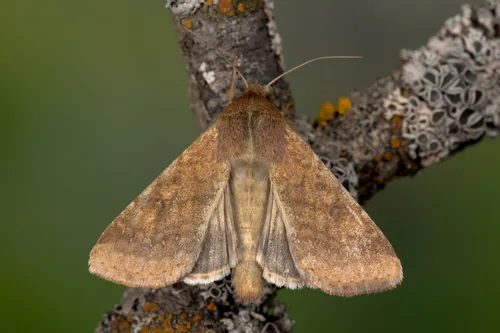
Field Identification
If leaves look shredded overnight or fruit has fresh chew holes, corn earworm may be feeding right now. These larvae can eat fast and strip a healthy plant in a short window. Young stages are easy to miss, then damage suddenly explodes as they grow. Catch them early to avoid severe defoliation and contaminated harvests.
Check leaf undersides, growing tips, and stem junctions for eggs, frass pellets, and feeding scars. Larvae vary in color, but most have a soft segmented body and blend into foliage. Look at dusk or early morning when many species feed more actively. Fresh chewing plus live larvae or droppings on lower leaves confirms an active caterpillar outbreak.
Not sure what you have? Use the symptom diagnosis tool →
How to Deal With It
Organic Control Methods
Trichogramma pretiosum egg parasitoid wasps attack corn earworm eggs before they hatch — release weekly during silking at 50,000-200,000 per acre or equivalent garden scale. These are available from insectaries and are one of the most cost-effective biological controls for caterpillar pests. Tachinid flies parasitize larvae. Support both by planting dill, fennel, and sweet alyssum nearby. Predatory stink bugs (Podisus maculiventris) eat earworm larvae — they are beneficial, distinguish them from pest stink bugs by their pointed "shoulders" and predatory posture.
Corn earworm moths lay single eggs on corn silks — the larvae burrow down the silk channel into the ear where no spray can reach them. The window to act is narrow: from silk emergence to when larvae tunnel in (about 3-5 days). Pheromone traps monitor moth flight — when catches peak, silk protection must begin immediately. Tight-husked corn varieties provide some physical protection. In the home garden, applying a few drops of mineral oil or vegetable oil to the silk tip after pollination is complete blocks larval entry effectively.
Plant corn in a tight planting window rather than staggered plantings — extended silk periods extend your exposure to multiple moth flights. Destroy crop residue immediately after harvest — pupae overwinter in soil under corn debris. Interplant with diverse flowering plants to support parasitoid populations. Corn earworm also attacks tomatoes, peppers, and beans — monitor all these plants when corn moths are flying.
For home garden corn, apply mineral oil with a dropper to silk tips after 80% of silks have browned (indicating pollination is complete) — this blocks larval entry without affecting pollination. Individual ear bags applied after pollination physically exclude moths. Hand-pick larvae from tomatoes and peppers where they bore into fruit — look for entry holes and frass at the stem end.
Bacillus thuringiensis kurstaki (Bt) sprayed on silks every 2-3 days during silk emergence kills newly hatched larvae before they tunnel in — this is the critical window. Once larvae are inside the ear, no spray reaches them. Spinosad provides stronger knockdown and slightly longer residual — apply at dusk to minimize bee exposure. Neem oil deters egg-laying when applied to silks and foliage but has minimal effect on larvae already tunneling.
Let Nature Handle It
Natural Enemies
- Trichogramma spp.
- Tachinid flies
- Predatory stink bugs
- Birds
Threat Map