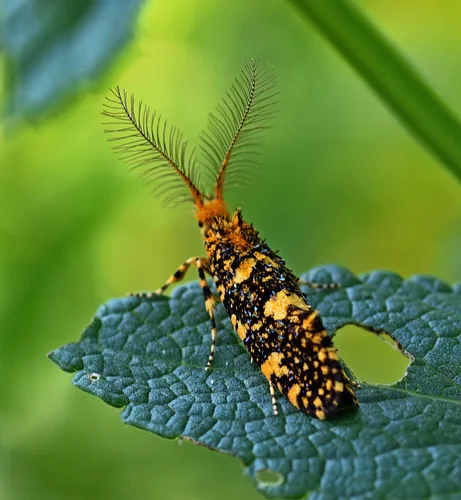
Field Identification
If leaves look shredded overnight or fruit has fresh chew holes, bagworm may be feeding right now. These larvae can eat fast and strip a healthy plant in a short window. Young stages are easy to miss, then damage suddenly explodes as they grow. Catch them early to avoid severe defoliation and contaminated harvests.
Check leaf undersides, growing tips, and stem junctions for eggs, frass pellets, and feeding scars. Larvae vary in color, but most have a soft segmented body and blend into foliage. Look at dusk or early morning when many species feed more actively. Fresh chewing plus live larvae or droppings on lower leaves confirms an active caterpillar outbreak.
Not sure what you have? Use the symptom diagnosis tool →
How to Deal With It
Organic Control Methods
Ichneumonid and braconid parasitoid wasps attack bagworm larvae inside their cases -- they are already present in most areas. Birds -- especially chickadees and nuthatches -- and paper wasps rip open bags and consume larvae. Diverse understory plantings and reduced broad-spectrum spraying allows these enemies to build up over seasons. Bacillus thuringiensis kurstaki specifically kills bagworm larvae that eat treated foliage without harming parasitoid wasps working on the same trees.
Bagworms build cone-shaped bags of silk covered with plant debris and carry them while feeding -- easy to miss because they look like part of the tree. By midsummer bags are 1-2 inches long and larvae are fully grown. The best management window is early -- small larvae in May and June are vulnerable to Bt and hand removal. Large bags in August contain larvae nearly done feeding and Bt is no longer effective. Winter bags contain up to 1000 eggs each -- hand-removing bags in fall and winter is the highest-return activity for the following season.
Avoid shearing conifers into dense rounded shapes -- tight interiors hide bags from birds and predators and reduce spray penetration. Open tree structures improve both predator access and spray coverage. Do not move nursery stock with bags attached -- bags contain viable eggs that establish new populations. Replace chronically defoliated specimen trees when damage accumulates over multiple years.
Hand-pick and destroy bags from late fall through spring before egg hatch in May -- this is the most effective control for yard trees. Each bag removed eliminates up to 1000 eggs. Drop into soapy water or seal in bags for disposal. On reachable limbs this is faster than spraying. For high branches use a pole pruner. Early summer hand removal of small bags before larvae are half-grown is also effective.
Bt kurstaki applied thoroughly into the canopy when larvae are young (May through early June, bags under half-inch) is the most effective spray timing -- larvae must eat treated foliage so thorough coverage of all branch surfaces is essential. Apply in the evening. Once bags reach 1 inch larvae are nearly done feeding and Bt has minimal impact. Spinosad for late instars where Bt timing was missed. Dormant horticultural oil in late winter smothers eggs inside overwintering bags on some host species.
Let Nature Handle It
Natural Enemies
- Ichneumonid Wasps
- Braconid Wasps
- Vespid Wasps (Vespidae)
- Insectivorous Birds
Threat Map