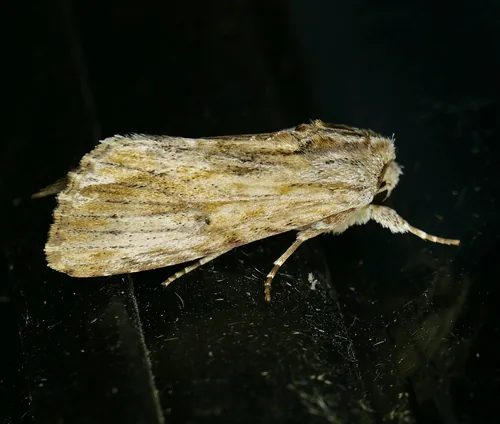
Field Identification
If leaves look shredded overnight or fruit has fresh chew holes, southern armyworm may be feeding right now. These larvae can eat fast and strip a healthy plant in a short window. Young stages are easy to miss, then damage suddenly explodes as they grow. Catch them early to avoid severe defoliation and contaminated harvests.
Check leaf undersides, growing tips, and stem junctions for eggs, frass pellets, and feeding scars. Larvae vary in color, but most have a soft segmented body and blend into foliage. Look at dusk or early morning when many species feed more actively. Fresh chewing plus live larvae or droppings on lower leaves confirms an active caterpillar outbreak.
Not sure what you have? Use the symptom diagnosis tool →
How to Deal With It
Organic Control Methods
Braconid wasps and tachinid flies parasitize armyworm larvae; ground beetles pull larvae off plants at night. Birds gorge during outbreaks if fields are not sprayed flat. Diversity along field margins feeds adult parasitoids -- mowing every ditch to bare dirt removes their fuel. Skip pyrethrin during obvious parasitism unless crop loss is immediate.
Blacklight traps and sweep nets show when flights spike -- rising catches mean scout daily. Watch weedy margins as sources; larvae march from grasses into irrigated crops. Flag fields downwind of hay that was cut late; armyworms often walk from there.
Till or incorporate weedy hosts before larvae large-march across bare soil. Synchronize planting to outrun local peaks where historical data exist -- early or late plantings skip worst windows. After harvest, destroy crop residue so pupae have fewer overwintering sites.
Ditches and barriers barely stop strong flyers; focus on timing sprays and host removal. Hand-collect larvae on small plots at dusk when they feed openly. For backyard corn, drop larvae into soapy water when you see window-pane feeding.
Bacillus thuringiensis products work on small larvae that eat treated tissue -- spray before larvae hide in whorls. Spinosad and neem help later instars when coverage is thorough and larvae still feed exposed. Add spreader on waxy leaves. Spray at night to spare pollinators on flowering margins. Reapply after rain.
Let Nature Handle It
Natural Enemies
- Braconid wasps
- Tachinid flies
- Ground beetles