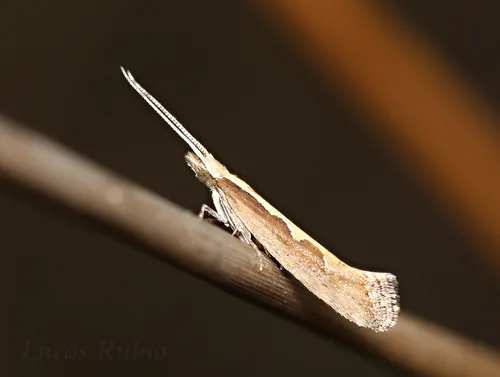
Field Identification
If new growth is curling, yellowing, sticky, or chewed, diamondback moth may already be on the plant. This pest often builds quietly, then damage appears all at once. Feeding stress weakens growth, reduces yield, and opens the door to secondary disease. Early cleanup is much easier than fighting a full population surge later.
Inspect the newest growth first: leaf undersides, flower buds, stem joints, and tender tips where pests gather. Look for body shape, color, eggs, cast skins, honeydew, webbing, or fresh puncture marks. A hand lens and a white paper tap test help reveal small life stages. Matching visible pests with fresh plant damage confirms active infestation.
Not sure what you have? Use the symptom diagnosis tool →
How to Deal With It
Organic Control Methods
Diadegma insulare and other ichneumonid parasitoid wasps are the most important natural enemies of diamondback moth -- they parasitize larvae and provide significant suppression in undisturbed gardens. Microplitis plutellae also parasitizes larvae. Preserve these by avoiding broad-spectrum sprays and spot treating only hot spots rather than whole plantings. Plant dill, fennel, and sweet alyssum to support parasitoid wasp populations. Diamondback moth develops resistance to Bt and spinosad faster than most pests -- rotating modes of action is essential, not optional.
Diamondback moth causes characteristic shot-hole damage on cotyledons and young leaves -- tiny round holes left by larvae feeding from the underside and leaving the upper surface intact. Pheromone traps monitor adult flight and indicate when egg-laying is active. Row covers completely exclude egg-laying adults. Avoid overlapping successive brassica plantings in the same area -- continuous host availability allows populations to build through multiple generations without natural decline.
Destroy brassica crop residues immediately after harvest -- diamondback moth pupates in plant debris and populations build through multiple generations on continuous host crops. Avoid planting new brassica transplants immediately adjacent to finishing crops. Use trap crops of mustard or Chinese cabbage at bed edges to concentrate moths for targeted management. Time planting gaps between brassica crops if you can track local flight patterns.
Floating row covers from transplant until heading exclude adult moths completely. Vacuum adults and larvae in high tunnels where populations are concentrated. Remove crop residues immediately -- pupae in debris produce the next generation within 2 weeks in warm weather.
Bt aizawai (not just kurstaki) is more effective on diamondback moth larvae -- apply every 5-7 days while larvae are small, coating leaf undersides thoroughly. Spinosad as a rotated option -- rotate with Bt on a strict schedule to prevent resistance development. Neem oil (azadirachtin) disrupts larval molting and reduces adult egg-laying. Never use the same product more than 2 consecutive applications before rotating modes of action.
Let Nature Handle It
Natural Enemies
- Diadegma insulare
- Microplitis plutellae
- Minute pirate bugs
Threat Map