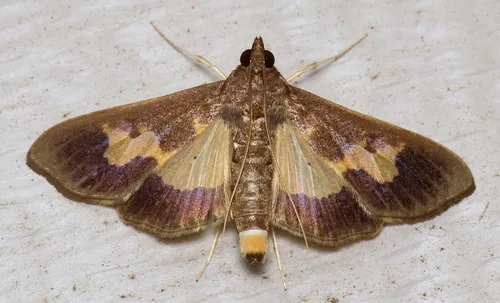
Field Identification
If leaves look shredded overnight or fruit has fresh chew holes, pickleworm may be feeding right now. These larvae can eat fast and strip a healthy plant in a short window. Young stages are easy to miss, then damage suddenly explodes as they grow. Catch them early to avoid severe defoliation and contaminated harvests.
Check leaf undersides, growing tips, and stem junctions for eggs, frass pellets, and feeding scars. Larvae vary in color, but most have a soft segmented body and blend into foliage. Look at dusk or early morning when many species feed more actively. Fresh chewing plus live larvae or droppings on lower leaves confirms an active caterpillar outbreak.
Not sure what you have? Use the symptom diagnosis tool →
How to Deal With It
Organic Control Methods
Trichogramma wasps parasitize moth eggs on cucurbit leaves if releases match flight -- order shipments timed to local degree-day models and release in cool evenings. Minute pirate bugs and lacewing larvae eat eggs before hatch when sprays stay selective. Generalist predators patrol flowers; they die if you fog pyrethrin every Friday. Preserve blooming strips between fields so parasitoids have nectar when melons are still vines.
Pickleworm moths arrive when nights stay warm -- coastal and tropical plantings see multiple generations. Scout flowers and tiny fruit daily; once larvae bore into fruit, sprays fail. Destroy culls and oversized fruit on the ground; each rotting melon becomes a pupation pod. End-season tillage buries cucurbit debris where erosion rules allow, cutting off some pupae. Parthenocarpic varieties under cover set fruit without every pollination headache if you brush pollen once.
Harvest pickling cucumbers and summer squash every day or two during peak heat -- fewer fruit on vines means fewer egg sites. Avoid nitrogen waterfalls that push endless new blooms while you fall behind picking. Interplanting has modest effect; physical exclusion wins. After final harvest, remove vines promptly; do not let them collapse into a thatch hotel for pupae.
Floating row covers until first female flower, then hand-pollinate or remove covers and accept risk -- or use parthenocarpic types and keep covers longer. Slit suspect fruit and kill larvae when only a few plants show entry holes; bag destroyed fruit. For high tunnels, screen doors and vents before moths ride the wind through gaps.
Bacillus thuringiensis kurstaki kills young larvae chewing flowers and fruit skin -- spray before larvae tunnel; after bore-in, stop wasting Bt. Spinosad penetrates slightly better on leaf rolls but still needs small larvae. Cover leaf undersides and flowers thoroughly; moths lay eggs there first. Spray at dusk to protect bees on open blooms. Reapply after rain; Bt washes off fast.
Let Nature Handle It
Natural Enemies
- Trichogramma spp.
- Predatory Bugs
Threat Map