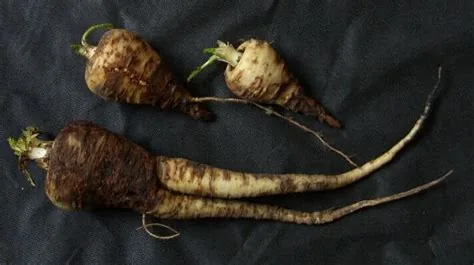
Field Identification
If leaves, stems, or fruit suddenly look spotted, sunken, or rotting, parsnip canker may already be active. This problem often starts small, then spreads across healthy tissue before most growers realize how serious it is. Warmth, moisture, and crowded foliage usually speed it up. Treat early, because waiting even a few days can turn a manageable infection into major crop loss.
Look for a pattern, not one bad leaf: expanding spots, dark or pale halos, fuzzy growth, or tissue that collapses when touched. Check both leaf surfaces, stem bases, and fruit scars where symptoms first appear. New lesions after rain, overhead watering, or heavy dew are a strong clue. When separate spots begin merging into larger dead patches, the disease is advancing quickly.
Not sure what you have? Use the symptom diagnosis tool →
How to Deal With It
Organic Control Methods
Soil microbes that compete with root canker fungi are part of long-term soil health, not a jar you open on Tuesday. Trichoderma and Bacillus products applied as seed treatments or early root drenches sometimes reduce root colonization in trials -- results vary with soil temperature and organic matter. Compost additions feed the whole web, including organisms that antagonize weak pathogens. Do not expect purchased bacteria to fix heavy, wet clay without drainage work; biology rides on physics.
Canker fungi infect young roots and crowns through wounds in cool, wet soil -- the highest risk window is long wet spells right after thinning. Rotate parsnips and related Apiaceae on a three- to four-year schedule in gardens; longer in commercial blocks if disease appeared. Choose seed from reputable sources with hot-water or fungicide-treated seed where legal and appropriate. Lime acid soils to pH 6.5-7.0 if tests show chronic low pH; some cankers thrive in acid, soggy pockets.
Improve drainage before planting; raised beds or broad ridges keep roots from sitting in cold soup. Avoid over-thick sowings that force late, painful thinning wounds in wet weather. Space rows so air moves; dense canopies stay wet until noon. Remove infected roots at harvest and burn or bury deep away from the Apiaceae bed; do not compost diseased roots in small cold piles. Clean soil from roots before moving between fields; mud carries inoculum.
Sterilize tools between plants when you cut or pull infected roots in wet soil -- simple bleach or alcohol dips reduce how much inoculum you drag down the row. Use physical barriers like plastic mulch in wet years to keep soil from splashing onto crowns during rain. Remove crop debris promptly after harvest so overwintering structures have less host tissue. Hand-pull weeds instead of aggressive hoeing near crowns when roots are swelling.
Copper-based fungicides applied as a soil-directed spray at planting or at first thinning may reduce some canker pathogens -- read labels for Apiaceae crops in your region. Neem and other botanicals show limited root penetration; they help on foliage issues, not deep crown rot. Biological fungicides work best as prevention paired with drainage and rotation; they do not resurrect mushy roots. Stop spraying if rain will wash product into waterways against label rules.
Let Nature Handle It
Natural Enemies
- Beneficial Fungi
- Antagonistic Bacteria
Threat Map