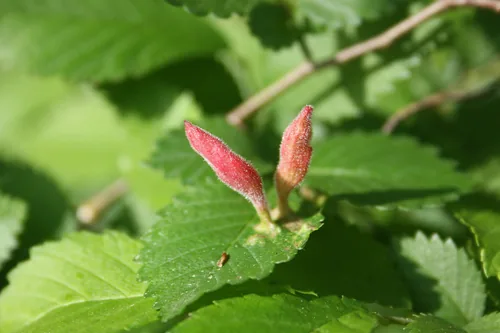
Field Identification
If new growth is curling, yellowing, sticky, or chewed, root aphid may already be on the plant. This pest often builds quietly, then damage appears all at once. Feeding stress weakens growth, reduces yield, and opens the door to secondary disease. Early cleanup is much easier than fighting a full population surge later.
Inspect the newest growth first: leaf undersides, flower buds, stem joints, and tender tips where pests gather. Look for body shape, color, eggs, cast skins, honeydew, webbing, or fresh puncture marks. A hand lens and a white paper tap test help reveal small life stages. Matching visible pests with fresh plant damage confirms active infestation.
Not sure what you have? Use the symptom diagnosis tool →
How to Deal With It
Organic Control Methods
Entomopathogenic fungi — Beauveria bassiana and Metarhizium anisopliae — applied as soil drenches can suppress root aphid populations where soil moisture and temperature support fungal activity. These are available commercially and are one of the few effective biological options for soil-dwelling pests. Predatory mites (Hypoaspis miles) live in the top inch of soil and eat root aphid eggs and young larvae — add to potting mix at transplant for ongoing prevention. Ants actively farm root aphids underground just like foliar aphids — managing ant access with sticky barriers on container rims or trunk wraps is essential for biological control to work.
Root aphids are nearly invisible until plants collapse — by the time foliage yellows and wilts despite good watering, the infestation is severe. Check roots at repotting or when plants mysteriously decline: white cottony masses on roots or tiny pale insects at the root zone are the tell. Winged forms disperse in summer and land on soil to start new colonies. Never reuse unsterilized potting mix from infested containers. Inspect all purchased plug trays with a hand lens before mixing with existing stock.
Improve drainage — root aphids thrive in waterlogged anaerobic pockets where roots are already stressed. Avoid overwatering, which both stresses roots and creates ideal conditions for aphid colonies. Rotate tunnel and greenhouse crops away from solanaceous and lettuce runs — root aphids build up in soil over seasons. Solarize infested beds in summer: clear plastic over moist soil for 4-6 weeks reaches temperatures that kill eggs and colonies in the top 6 inches.
For valuable container plants, submerge the entire root ball in warm soapy water for 5-10 minutes as a rescue treatment — test on one plant first as some are sensitive. This dislodges and kills surface colonies but may not reach deep roots. Bare-rooting and washing roots under running water before repotting into fresh sterile mix is the most thorough mechanical reset for container plants. For in-ground infestations, light cultivation around plant crowns disrupts ant tunnels that protect and transport root aphid colonies.
Insecticidal soap or neem oil drenched slowly through growing media reaches root zone colonies — apply at half the normal dilution and water in thoroughly. Repeat every 5-7 days for 3 weeks to catch hatching eggs. Avoid soaking dry peat too fast as media shrinkage leaves untreated channels. Neem cake (the byproduct of neem oil extraction) worked into soil at planting has preventive nematicidal and insecticidal properties that persist for weeks.
Let Nature Handle It
Natural Enemies
- Beauveria bassiana
- Metarhizium spp.
- Soil Predatory Mites (Hypoaspis spp.)
- Ground Beetles (Carabidae)
Threat Map