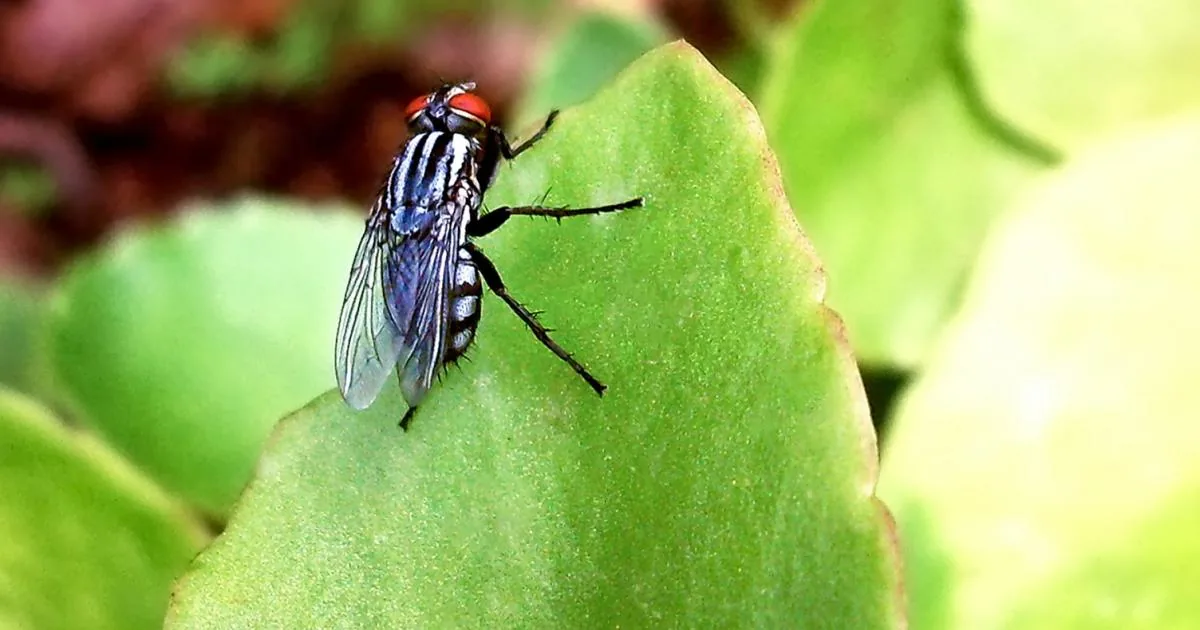
Field Identification
If leaves show trails, fruit turns soft, or roots collapse from inside, cabbage root fly may already be feeding. The larval stage does most of the damage, often hidden where you cannot see it at first glance. By the time yellowing or rot appears, feeding may be well underway. Move quickly when symptoms begin to prevent another wave of eggs and larvae.
Watch for tiny eggs near plant tissue, pale legless larvae inside mines or fruit, and sudden soft spots or tunnels. Adults are usually small flies that hover or dart when disturbed. Check around wounds, blossoms, and moist plant debris where egg-laying is common. Cut open suspect tissue: live maggots or fresh tunnels are the clearest field confirmation.
Not sure what you have? Use the symptom diagnosis tool →
How to Deal With It
Organic Control Methods
Parasitic nematodes that target fly larvae in soil can infect cabbage root fly maggots when soil temperature and moisture fit the label -- apply at egg hatch near the stem. Ground beetles eat eggs at the soil surface. Beneficial soil microbes compete indirectly; they do not replace collars. Nematodes starve in dry sand; water timing matters as much as product choice.
Adults lay eggs at the base of brassica stems -- rotate blocks every season and destroy old brassica stumps where pupae overwinter. Floating row covers stop adults when installed before flight and sealed at the edges. Sticky traps at canopy height monitor flights; they warn more than they cure. Scout for first wilting in hot dry spells; that is often maggot injury, not drought alone.
Improve drainage so crowns do not crack from wet-dry swings; cracks invite egg-lay. Use finished compost, not fresh manure that attracts flies. Remove volunteer brassicas along paths. Keep soil moisture even during head formation; stressed plants show damage faster.
Cardboard or tar paper collars pressed to the stem block females from laying at soil line when installed dry and snug. Fine mesh row tunnels exclude adults; vent on hot days so plants do not cook. Solarize seedbeds only in hot climates with weeks to spare before planting.
Neem soil drenches at egg hatch sometimes reduce survival -- read labels for crop and timing. Bio-nematicides work best paired with nematodes or rotation, not alone. Foliar neem targets adults when they rest on leaves; short residual means repeat after rain. Combine sprays with physical barriers; liquids rarely fix heavy fly years without sanitation.
Let Nature Handle It
Natural Enemies
- Parasitic Nematodes
- Beneficial Soil Microbes
- Predatory Insects
Threat Map