About
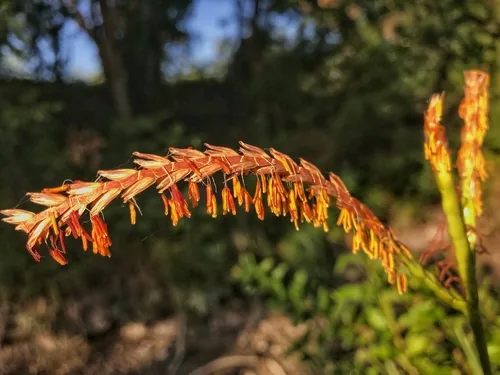
Eastern gamagrass (Tripsacum dactyloides) is a robust warm-season bunchgrass of moist prairies, streambanks, and wet savannas in eastern and central North America, forming large tussocks with wide bluish leaves and distinctive jointed spikes. Clumps commonly reach 4–6 feet (1.2–1.8 m) in height in favorable moisture. It is valued for erosion control on swales, livestock forage on managed stands, and habitat structure where native grasses are preferred over ornamental impostors. Full sun for strongest growth; light shade reduces vigor and flowering. Prefers moist, fertile soils with good aeration; tolerates short inundation along banks but not permanent deep water without access to oxygenated root zones. Drought hardens plants but shrinks them—match irrigation to production goals. Divide large dormant crowns in cool weather; keep divisions moist until replanted. Direct seed into prepared beds after last frost in warm regions; establishment is slower than aggressive annual grasses—weed control early matters. Container plugs transplant well if irrigated through the first warm season. For hay or grazing, manage per local forage guidance—nutritive value shifts with maturity. For landscape, cut back old foliage in late winter before new growth to reduce fire hazard and tick habitat in suburban edges. Seed heads provide winter interest and bird food if aesthetics allow standing stems.
Permaculture Functions
- Animal Fodder: Tripsacum dactyloides is palatable warm-season hay and pasture -- when grazed before stems lignify on moist fertile ground.
- Erosion Control: Deep fibrous roots bind streambanks, pond edges, and bioswales -- that flood briefly between dry spells.
- Biomass: Wide bluish leaves return large carbon loads when mowed or burned -- on appropriate rotations.
- Wildlife Attractor: Dense tussocks hide small mammals -- seed heads feed birds if old foliage stands into winter.
Companion Planting
- Aggressive seeding in ideal moist sites — edit volunteers if design calls for narrow monoculture
- Fire hazard — dry standing thatch near structures should be managed seasonally
Threats & Pressure