About
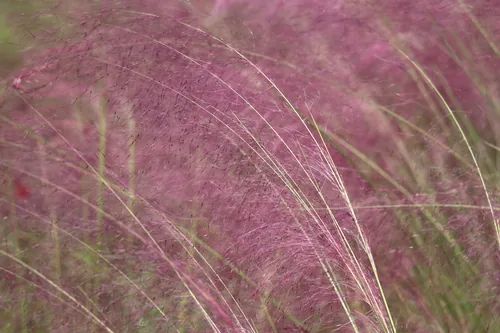
Hairawn muhly (Muhlenbergia sericea) is a warm-season bunchgrass of coastal dunes, pine flatwoods, and sandy roadsides in the southeastern United States and Caribbean, forming fine-textured clumps with silky inflorescences that catch light. Height is often 1–3 feet (0.3–1 m) depending on ecotype and moisture. It suits native coastal gardens, bioswale margins, and low-fertility beds where turf would demand a hose and a therapist. Full sun for best flowering and upright habit; partial shade stretches stems. Well-drained sandy soils are home territory; tolerates salt spray and short drought after establishment. Avoid heavy clay unless you amend for drainage like you mean it. Divide clumps in early spring; keep divisions moist until rooted. Sow seed warm; establishment is faster with weed control the first season. Cut back old growth in late winter before new shoots emerge. Ornamental peak aligns with warm-season flowering—plan views and paths accordingly. Leave standing for winter texture if you accept a brief messy phase. Collect seed for restoration only from appropriate local ecotypes with permits if required.
Permaculture Functions
- Ornamental: Muhlenbergia sericea carries silky, narrow panicles that catch coastal breeze -- fine texture contrasts with broader forbs when you mass clumps along dunes or flatwood edges.
- Erosion Control: Fibrous roots stabilize loose sand on berms and swale sides with salt spray in the air -- it still sulks in heavy inland clay unless you rebuild drainage like you mean it.
- Wildlife Attractor: Seeds feed small birds and rodents into fall while low clumps hide ground fauna -- leave standing stems through winter for texture before cutting before the spring flush.
- Border Plant: Low lines define paths and parking strips without mowing -- mass plantings read intentional; one lonely tuft looks like a nursery label fell off.
Companion Planting
- Wet clay — crowns rot; choose wet-prairie grasses if soil stays soggy
- Deep inland cold — marginally hardy; protect microclimate or accept occasional winter bronze
Threats & Pressure