About
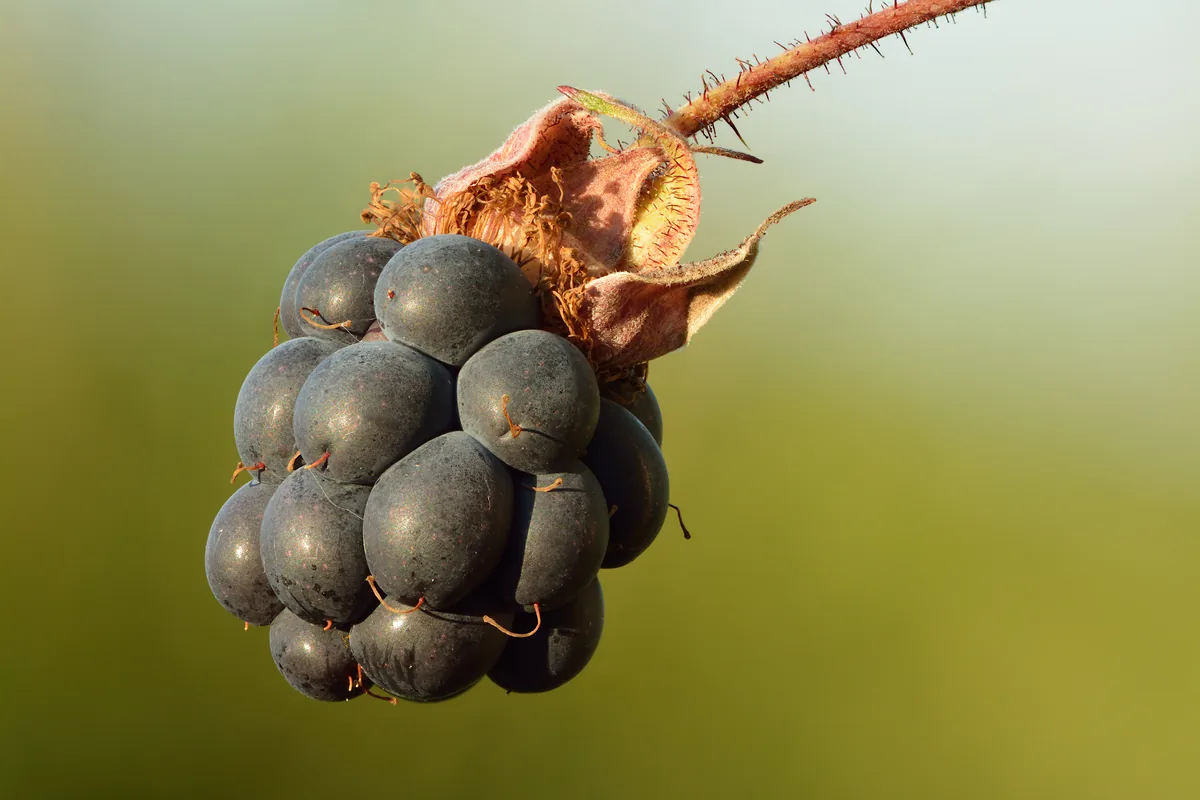
Dewberry (Rubus trivialis) is a trailing bramble in the rose family, forming low, sometimes semi-erect canes armed with hooked prickles and producing early-summer blackberries smaller than commercial cultivars but often sweeter in the field. It is native to open woods, roadsides, and disturbed edges across the southeastern United States into parts of Mexico and the Caribbean, rooting at the nodes like a honest ground-layer engineer. For growers, it offers free erosion control on banks and fencerows—if you accept thorns, wandering canes, and the occasional territorial dispute with lawn ideology. Full sun to partial shade; best fruiting with strong light. Tolerates moderate drought once canes establish but fruits better with even soil moisture through flowering and fruit swell. Well-drained soils reduce root diseases; soggy flats invite rots that turn canes into compost drama. Tip-layering: bury cane tips in soil in early wet season; sever rooted plantlets next season. Root cuttings from young suckers can establish new patches in prepared beds. Pick when berries turn glossy black and release with a gentle tug; morning picks hold better for the table. Process quickly—dewberries are soft and perishable. Cut out old fruiting canes after harvest to direct energy to new primocanes.
Permaculture Functions
- Edible: Rubus trivialis blackberries stay soft and aromatic -- pick glossy black drupelets for quick jam before heat collapses the fruit.
- Wildlife Attractor: White rose-family flowers feed early pollinators -- fruit feeds songbirds along fencerows and ditch banks.
- Erosion Control: Trailing primocanes root at nodes -- knitting loose soil on moist slopes and pond margins.
- Ground Cover: Thorny mats exclude many weeds under trees -- effective where wandering canes are acceptable and mowing is impractical.
Companion Planting
Also mentioned as companions:
- Blackberry
Not yet profiled in PermiePortal
- Wild Rubus patches may host rose rosette disease vectors—inspect canes and remove witch's-broom growth
Threats & Pressure
- Apple Maggot
- Bagworm
- Blackberry Psyllid
- Cherry Fruit Fly
- Codling Moth
- Cyclamen Mite
- Fall Webworm
- Japanese Beetles
- Lesser Peachtree Borer
- Oriental Fruit Fly
- Oriental Fruit Moth
- Peach Twig Borer
- Peachtree Borer
- Pear Psylla
- Plum Curculio
- Raspberry Beetle
- Raspberry Cane Borer
- Rose Slug
- Sparganothis Fruitworm
- Spider Mites
- Spittlebugs
- Stink Bug
- Strawberry Root Weevil
- Twig Girdlers
- Vine Weevil
- Gall Mite
- Rust Mite
- Spotted Lanternfly
- Brown Marmorated Stink Bug
- Eastern Tent Caterpillar
- Harlequin Ladybird
- Tent Caterpillar