About
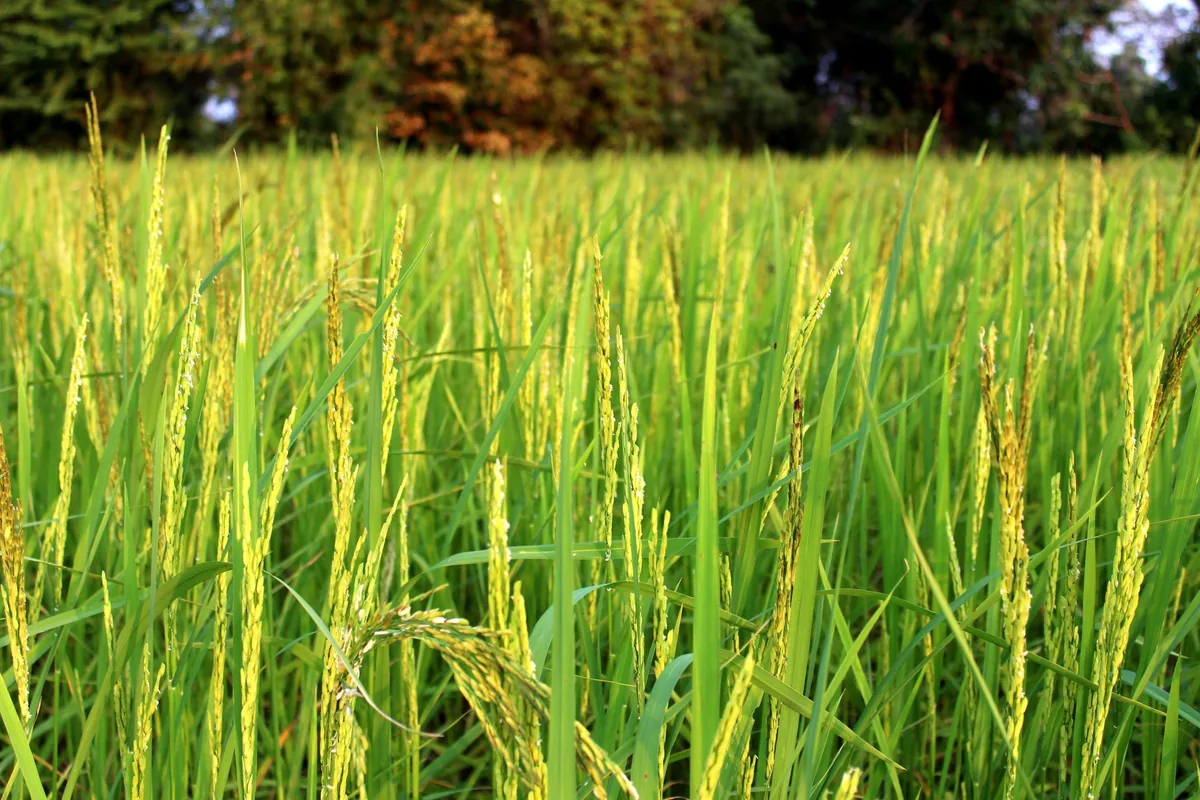
Rice (Oryza sativa) is an annual grass species widely cultivated for its edible grains. The plant typically grows to heights between 1 and 2 meters, featuring erect stems with smooth surfaces and long, lanceolate leaves. The inflorescence is a terminal panicle bearing numerous small spikelets, each containing a single floret. The fruit is a caryopsis, commonly known as a rice grain. Rice thrives in full sun and requires abundant water, often grown in flooded fields known as paddies. Consistent moisture is crucial throughout its growth cycle. Propagation is primarily through direct sowing of seeds or transplanting seedlings. Seeds are sown in nurseries and later transplanted to paddies. Harvest occurs when grains turn golden brown and reach full maturity, typically 3 to 6 months after planting, depending on the variety.
Permaculture Functions
- Edible: Oryza sativa caryopses polish into white, brown, or red grains for daily calories, rice milk, and koji starters -- flooded paddies cut weed competition during early tillering; upland dry systems need different cultivars and weed timing.
- Wildlife Attractor: Seasonal paddies host tadpoles, water snakes, and migratory shorebirds during wet fallow windows -- drawdown timing matters more than signage if you want wading birds without crop loss to flocks.
- Mulcher: Rice straw bales mulch garlic and strawberry rows after threshing -- high silica slows breakdown; chop fine or combine with legume greens so carbon does not lock surface nitrogen all spring.
- Erosion Control: Dense transplants and puddled clay seal terrace edges where monsoon rains would gully bare slopes -- contour bunds plus vetiver toes stabilize headlands machinery chews bare.
- Animal Fodder: Broken grains, rice bran, and ammoniated straw enter pig, dairy, and poultry rations across humid tropics -- watch aflatoxin in humid storage before feeding moldy bran loads.
- Ground Cover: Closed canopy by tillering shades paddy water, cutting algal bloom pressure and evaporative losses -- matches short-statured varieties to water depth so stems do not lodge when grain heads load.
- Water Purification: Flooded paddy systems with intact straw and algae mats reduce suspended solids -- traditional integrated rice-fish systems show improved water clarity versus monoculture flooding.
Threats & Pressure