About
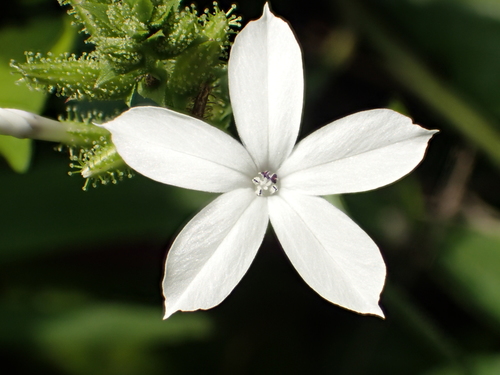
Wild plum (Prunus americana) is a suckering native plum of North American thickets, fence lines, and disturbed edges, bearing fragrant white spring flowers and red-yellow fruit used for jams and jellies when sugar and patience exist. Plants reach 8–20 feet (2.5–6 m), forming bird-friendly thickets. Thorns and suckers are features, not bugs, if you designed a hedgerow. ☀️💧 Sun and Water Requirements: Full sun for best flowering and fruit; tolerates light shade with reduced yield. Average to moist, well-drained soils suit it; drought-tolerant once established with mulch. Avoid waterlogging on heavy clay without grade work. ✂️ Propagation: Dig suckers with roots in dormancy; stratify seed for diversity. Prune for openness to reduce disease pressure. 🌾 Harvest / Best Use Timing: Pick fruit when softening and fully colored—process quickly; leave some for wildlife. Bloom follows local spring warmth after frost risk near 24°F (-4°C) declines in cold climates.
Permaculture Functions
- Edible: Tart fruit supports jams, shrubs, and country wines where acid is respected.
- Wildlife Attractor: Flowers feed pollinators; fruit feeds birds and mammals.
- Border Plant: Suckering thickets define fencelines and livestock screens.
- Erosion Control: Roots stabilize disturbed banks along edges.
Practitioner Notes
- Suckering is the business model—sheet mulch paths or accept colony diplomacy.
- Plum curculio scars happen—pick up drops to break their vacation schedule.
- Seedling fruit varies—graft if you sell to strangers; keep seedlings if you like plot twists.
- Cyanogenic pits are not snacks—teach kids and dogs the difference between fruit and hardware.
Companion Planting
- Raspberry — bramble layer at sunnier thicket margins
- Serviceberry — earlier soft fruit in the same guild
- Wild Bergamot — aromatic forb along driplines in partial sun pockets
- Black Walnut — juglone-sensitive plums may sulk within drip lines
- Thorns — plan paths before inviting barefoot poetry
Pest Pressure