About
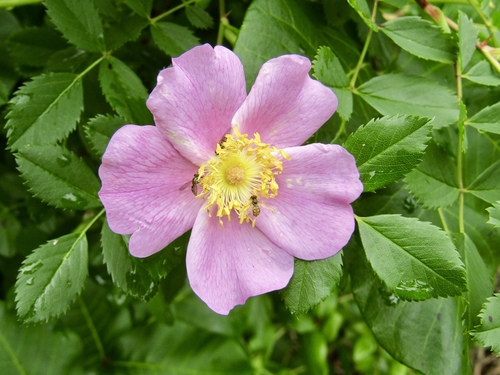
Pasture rose (Rosa carolina) is a low, suckering wild rose of eastern North American meadows and open woods, bearing fragrant pink flowers in late spring to summer and red hips that persist into winter for birds. Plants usually stay 1–3 feet (30–90 cm) high but spread into colonies via rhizomes, creating living fences and wildlife cover. Hips are edible where hips are traditionally processed; petals flavor syrups when gathered from unsprayed plants. ☀️💧 Sun and Water Requirements: Full sun to light partial shade; more sun yields more blooms. Average to slightly moist, well-drained soils suit it; tolerates poor, sandy pastures once established. Mulch during establishment; avoid waterlogging that rots rhizomes. ✂️ Propagation: Sow stratified seed or divide suckers in early spring. Hardwood cuttings root with humidity. Remove old canes after several years to renew flowering wood without turning the colony into a thicket museum. 🌾 Harvest / Best Use Timing: Gather petals at peak bloom for syrups and jellies—dry or use immediately. Harvest hips after color ripens and before complete desiccation; process for tea or preserves. Expect bloom peaks tied to lengthening warm days, not a single holiday.
Permaculture Functions
- Wildlife Attractor: Flowers feed native bees; hips feed birds and small mammals through lean seasons.
- Border Plant: Rhizomatous thickets define edges, screens, and poultry paddocks where thorns are acceptable.
- Edible: Hips and petals enter wild-food kitchens where spray history is verified.
- Ornamental: Simple pink flowers beat double cultivars for pollinator honesty in meadow designs.
Practitioner Notes
- “Wild rose” is a crowded bar—this entry is Rosa carolina; compare leaflets and hip shape to local look-alikes.
- Suckering is the business model—sheet mulch paths or accept encroachment.
- Japanese beetles throw petal confetti parties—hand-pick at cooler hours or deploy nematodes thoughtfully.
- Hips need sweetness and straining—tannins punish impatient tasters.
Companion Planting
- Little Bluestem — warm-season grass matrix around rose colonies sharing sun and drainage
- Milkweed — complementary forb for pollinator strips without root competition at depth
- Wild Bergamot — aromatic neighbor extending bloom sequence into mid-summer
- Thorns and suckers—plan mowing edges and paths before the colony expands its opinions
- Rose Rosette Disease — remove infected canes and improve spacing where mite vectors thrive
Pest Pressure