About
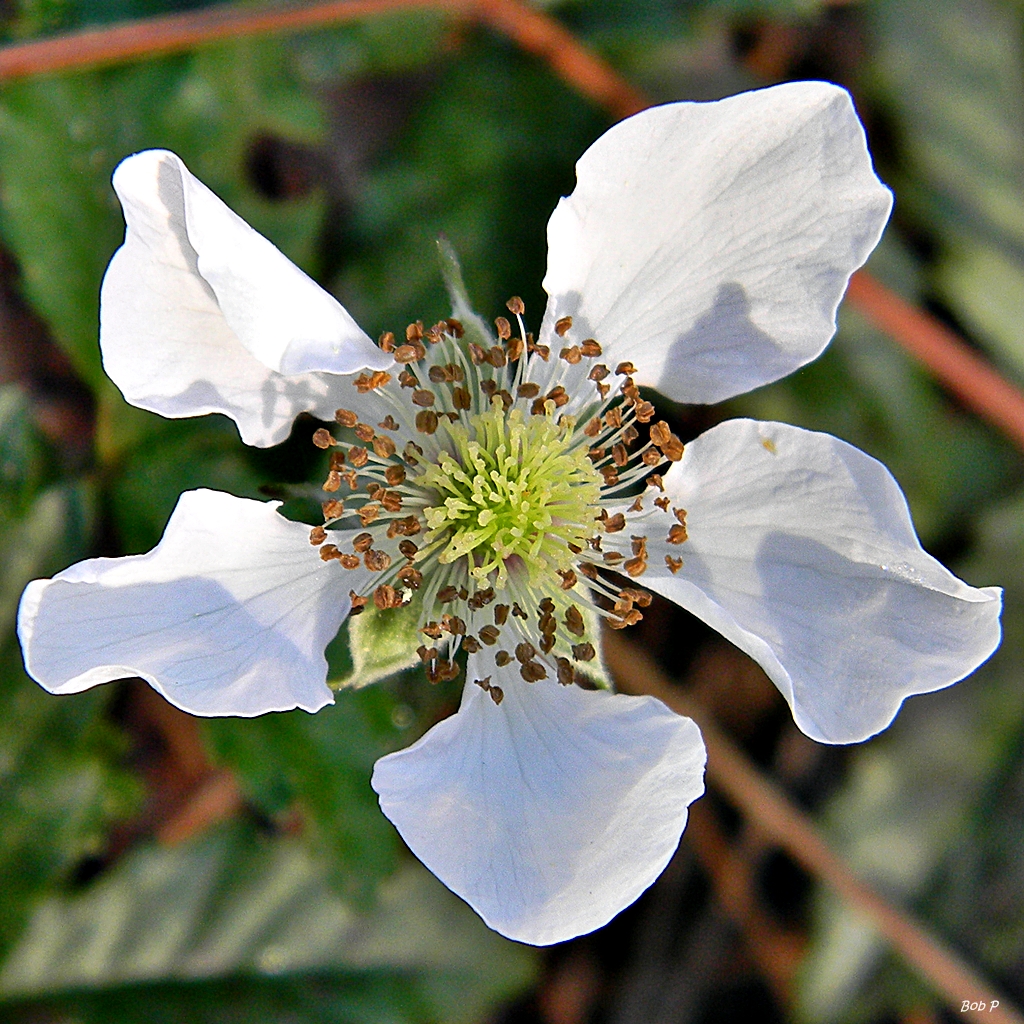
Southern dewberry (Rubus trivialis) is a trailing deciduous bramble native to the southeastern United States, running along roadsides, woodland edges, and old fields. Unlike erect blackberries, stems sprawl and root at tips; berries are small, dark, and tart-ripe in spring. It is a native ground-layer fruit for sunny edges where taming thorns matters less than feeding birds and humans who know gloves. ☀️💧 Sun and Water Requirements: - Full sun to light shade; more sun yields more flowers and fruit. - Moderate moisture; tolerates short drought once established but fruits better with even water. - Sandy to loamy soils; tolerates poor ground if drainage is not stagnant. ✂️ Propagation: - Tip layering in early summer; sever rooted tips in autumn. - Transplant dormant root sections with buds. - Cut old fruiting canes after harvest like other brambles. 🌾 Harvest / Best Use Timing: - Pick when berries detach easily and stain deep purple; flavor peaks before heat collapses them. - Process quickly into jam or freeze; shelf life mocks procrastination. - Leave some fruit for wildlife along fencerows.
Permaculture Functions
- Edible: Berries are eaten fresh or preserved like other dewberries and blackberries.
- Wildlife Attractor: Flowers feed pollinators; fruit feeds birds and mammals.
- Ground Cover: Trailing stems cover bare soil and exclude some weeds in sunny edges.
- Erosion Control: Tip-rooting canes stabilize loose banks over time.
Practitioner Notes
- Trailing habit means mower wars—define edges early or lose toes to thorns and drama.
- Spring fruit beats summer blackberries on timing—mark the calendar, not the trend cycle.
- Tip layers root aggressively—contain garden trials or share plants with neighbors on purpose.
Companion Planting
- Sand Blackberry — erect thorny neighbor for vertical fruit in the same scrubby edge
- Southern Red Cedar — rough posts for dewberry canes along fencerows
- Roughleaf Dogwood — shrub layer provides dappled edge light that dewberries like
Pest Pressure