About
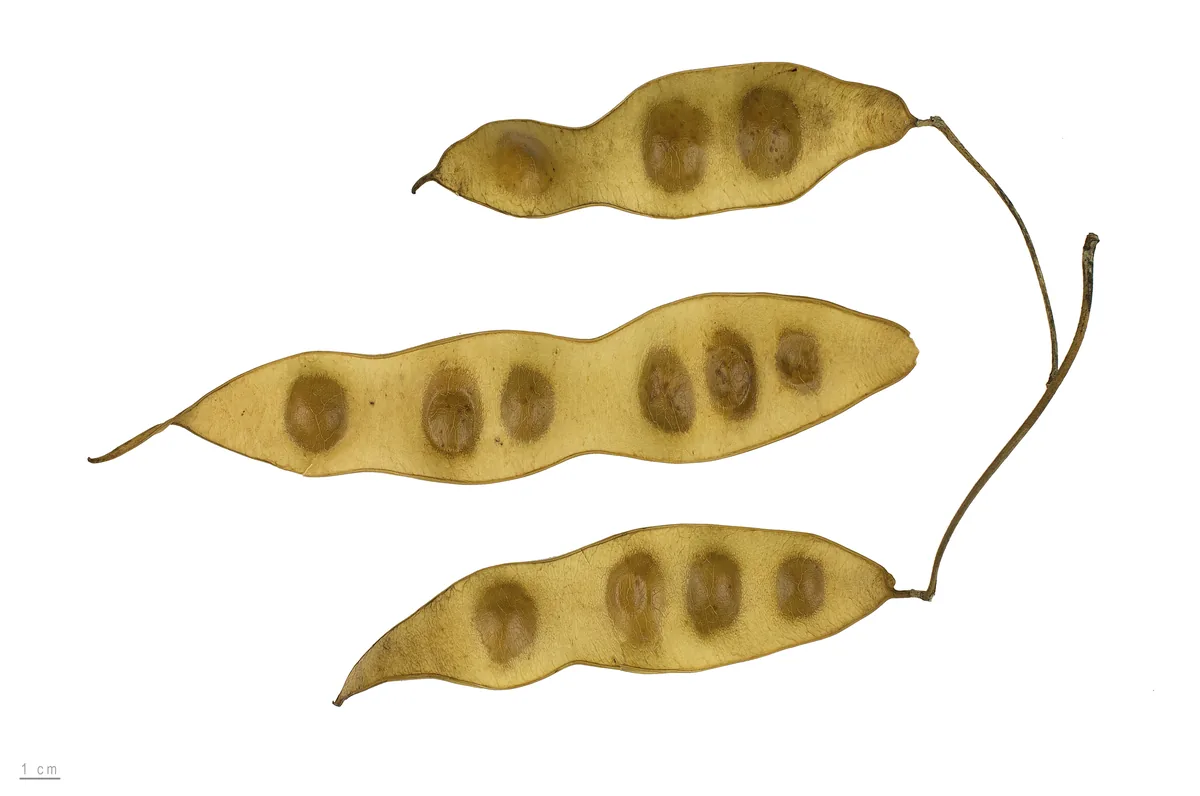
Albizia lebbeck is a fast-growing, heat-loving legume tree with a wide native range across tropical Asia to northern Australia. It carries bipinnate, mimosa-like foliage, cream-white powderpuff flowers with a sweet scent, and flat woody pods; mature specimens can exceed 15–18 m in open sites with a broad, somewhat irregular crown. subtropical and tropical Americas are on-brand habitats in frost-free zones—coastal tropical and subtropical zones and most of Puerto Rico suit it if hurricanes and brittle wood are in your risk calculus. Humid summers are normal for the species; root drowning is not. Full sun for strong growth, flowering, and reliable nodulation. Tolerates a range of soils but insists on drainage; deep watering establishes young trees, then back off to encourage deep roots. Seeds: pour near-boiling water over seeds, soak until swollen, sow warm—classic hard-seeded legume choreography. Seedlings from nursery liners for known provenance if invasive potential is a concern in your county—check local guidance before romanticizing fast shade. For fodder or mulch, coppice or pollard on a planned rotation during the wet season when recovery is fastest. Pods mature brown on the tree; collect before total shatter if you want seed for propagation, not a yard full of volunteers.
Permaculture Functions
- Nitrogen Fixer: Albizia lebbeck roots nodulate -- spent powderpuff flowers and bipinnate leaflets recycle nitrogen to cassava, lemongrass, and sweet potato margins planted just beyond the thickest surface roots.
- Shade Provider: Open umbrella crown throws shifting light shade over livestock loafing yards and understory taro once lower branches lift -- brittle wood means you design for limb drop zones, not picnic tables directly underneath.
- Animal Fodder: Ruminants browse soft new leaves and young pods in rotational strips where tannin load stays dilute -- introduce slowly because some herds refuse siris until hay runs short.
- Mulcher: Tiny leaflets compost fast after coppice or storm prunings, feeding fungal duff without matting like tough evergreen leaves -- time drops for the wet season when microbes can keep pace.
- Windbreaker: Fast straight boles slot into tropical shelterbelts that slow wind across tunnel houses -- pair with species that tolerate occasional branch shed during hurricanes instead of pretending this is oak-grade timber.
- Ornamental: Cream flower globes perfume humid nights loud enough to notice from the patio -- sweep spent petals off pool skimmers if you plant upwind of water features.
Companion Planting
Threats & Pressure
- Banded Cucumber Beetle
- Bean Aphid
- Bean Leaf Beetle
- Bean Weevil
- Corn Earworm
- Cowpea Curculio
- Fall Armyworm
- Kudzu Bug
- Locust Borer
- Locust Leaf Miner
- Lubber Grasshopper
- Pea Moth
- Pea Weevil
- Reniform Nematode
- Root Aphid
- Scale Insects
- Soybean Looper
- Spittlebugs
- Stink Bug
- Striped Cucumber Beetle
- Whiteflies
- Spotted Cucumber Beetle
- Brown Marmorated Stink Bug
- Harlequin Ladybird
- Velvetbean Caterpillar