About
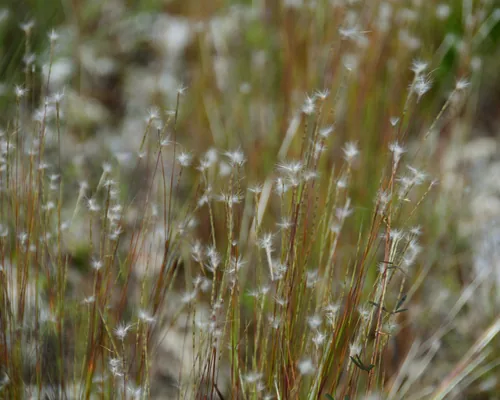
Little bluestem (Schizachyrium scoparium) is a warm-season bunchgrass of North American prairies, roadsides, and open woods, valued for blue-green summer foliage shifting to copper, burgundy, and seed heads that catch winter light. Clumps typically reach 2–4 feet (0.6–1.2 m). It is a matrix species for meadow restoration, rain garden berms, and ornamental plantings where turf would be a hydrological lie. Full sun for color and upright habit; too much shade yields lax stems. Well-drained soils from sand to clay if not waterlogged; excellent drought tolerance after establishment. Avoid chronic irrigation designed for bluegrass cosplay. Sow seed shallow in warm soil; weed control year one determines success. Divide dormant crowns in early spring. Burn or mow on ecologically informed schedules—not random buzz cuts. For grazing, follow warm-season utilization guidance. For gardens, leave standing for winter structure; cut back before spring growth. Collect seed when ripe for local genotype mixes.
Permaculture Functions
- Erosion Control: Schizachyrium scoparium roots form dense mats that anchor sandy berms and highway cuts -- pair with switchgrass on wetter toes where little bluestem would rot.
- Wildlife Attractor: Songbirds pick seeds from copper winter stalks while skipper larvae hide at the base -- leave standing crop until early spring burn or mow per local ecological guidance.
- Ornamental: Summer blue-green foliage shifts to burgundy and flame in autumn -- mass in lean soil; irrigation and fertilizer produce floppy stems that lodge after storms.
- Animal Fodder: Palatability peaks in early summer before seedheads lignify -- rotate grazing so crowns recover; overgrazing in drought beats plants down faster than warm-season grasses recharge.
Companion Planting
- Wet winter clay — some mortality; improve drainage or choose wet-prairie species
- Heavy shade — color and flowering collapse; pick sedges for dark sites
Threats & Pressure