About
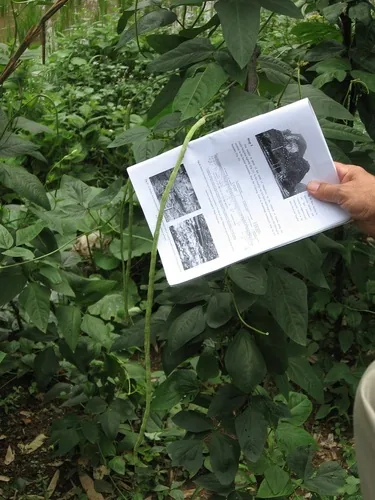
Vigna unguiculata subsp. sesquipedalis is the cowpea that learned to climb—long tender pods, heat tolerance that laughs at common beans, and vines that will annex your fence if you blink. subtropical and tropical Americas: Plant after soil warms; produces through brutal summer when Phaseolus sulk. Keep picking or pods go fibrous fast. Full sun for heaviest pod set; fertile, well-drained soil. Steady moisture during flowering and pod set; drought during bloom drops pods overnight. Direct-sow once nights stay warm; inoculate with cowpea rhizobia if you want the nitrogen bragging rights. Reseed every warm season in frost pockets; perennial only where frost never trims the crown. Pick pods pencil-thick daily; missed pods become fibrous teaching moments.
Permaculture Functions
- Edible: Vigna unguiculata subsp. sesquipedalis pods stay stir-fry tender when picked pencil-thick daily -- miss a weekend and the same vine turns rope overnight in 90°F heat.
- Nitrogen Fixer: Cowpea-type rhizobia nodulate roots so chopped vines and nodule-rich soil boost the following corn or squash bed -- inoculate seed if your soil lacks native cowpea rhizobia.
- Pollinator: Yellow-throat pea flowers open mornings through humid summer when common beans quit blooming -- feeds honeybees and small carpenter bees on trellis edges.
- Animal Fodder: Soft leaves and surplus pods go to poultry and goats as warm-season protein when you rotate browse before vines lignify -- watch for same legume foliar diseases you see on field peas.
Companion Planting
Also mentioned as companions:
- Corn
Not yet profiled in PermiePortal
- Cold wet soil at planting
- Letting pods hide until they qualify as fiber supplements
Threats & Pressure
- Banded Cucumber Beetle
- Bean Aphid
- Bean Leaf Beetle
- Bean Weevil
- Corn Earworm
- Cowpea Curculio
- Fall Armyworm
- Kudzu Bug
- Locust Borer
- Locust Leaf Miner
- Lubber Grasshopper
- Pea Moth
- Pea Weevil
- Reniform Nematode
- Root Aphid
- Soybean Looper
- Spittlebugs
- Stink Bug
- Striped Cucumber Beetle
- Spotted Cucumber Beetle
- Brown Marmorated Stink Bug
- Harlequin Ladybird
- Velvetbean Caterpillar