About
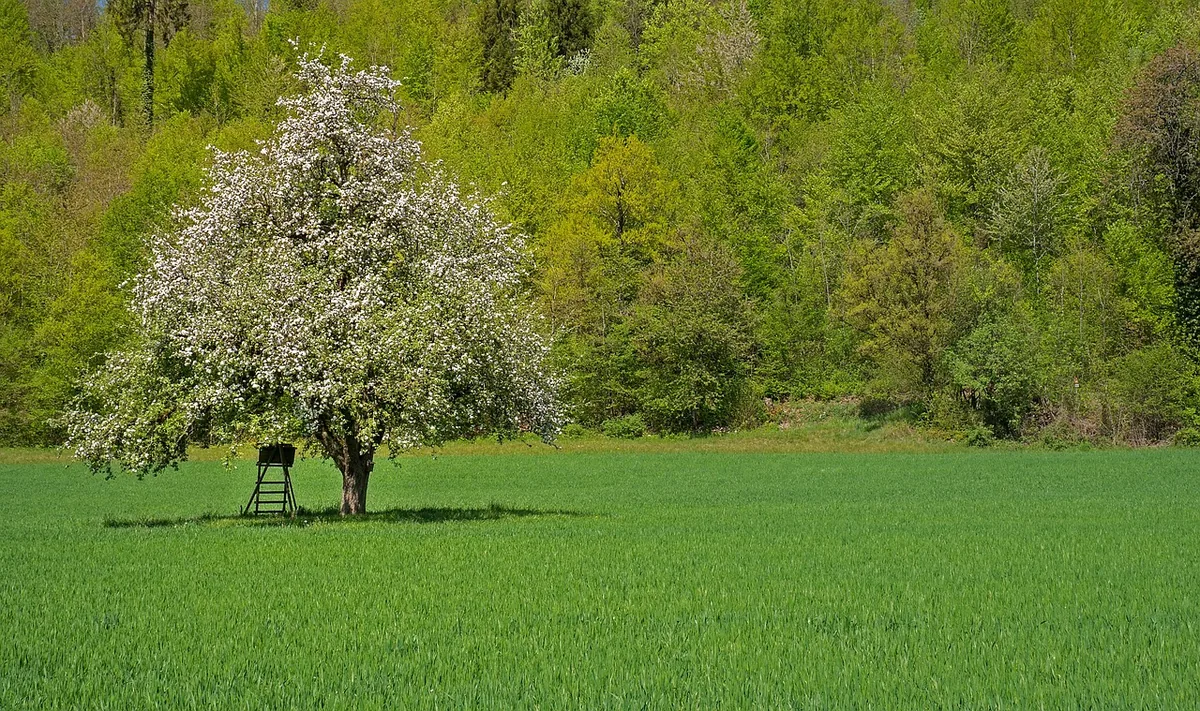
The Pineapple Pear is a hardy, deciduous fruit tree known for its heavy yields of large, firm pears with a unique pineapple-like flavor. Typically reaching heights of 6–9 meters (20–30 feet) with a spread of 3–6 meters (10–20 feet), it has a pyramidal growth habit. This cultivar is valued for its adaptability to various soil types, including sandy clay or loam, provided they are well-drained. It can tolerate seasonal wet soils if they drain well. The tree blooms in early to late spring, producing white blossoms that are susceptible to late frosts. While it is self-fertile, planting additional pear varieties nearby can enhance fruit set. The Pineapple Pear is relatively low-maintenance but requires attention to watering, especially during establishment. It is susceptible to fire blight, anthracnose, canker, scab, and powdery mildew. Insect pests include pear psylla, codling moth, and borers. Prefers full sun exposure for optimal growth and fruit production. Requires medium moisture levels; regular watering is essential, especially during dry periods. Once established, it exhibits moderate drought tolerance but benefits from consistent soil moisture. Commonly propagated through grafting onto compatible rootstocks to ensure desired fruit characteristics and disease resistance. Grafting is typically performed in late winter or early spring while the tree is still dormant. Fruits ripen between August and September. Harvest when pears are firm but have developed their characteristic color. For best quality, allow pears to ripen off the tree in a cool, dry place.
Permaculture Functions
- Edible: Pyrus communis 'Pineapple' sets large firm pears with tropical perfume suited to canning, poaching, and out-of-hand eating when ripened off-tree -- self-fertile but heavier with another European pear pollinizer nearby for pollen volume.
- Pollinator: White five-petaled spring clusters feed orchard mason bees and honeybees during cool snaps -- delay pruning until after petal fall if you want maximum pollen receipt on king blossoms.
- Wildlife Attractor: Windfalls feed yellowjackets, raccoons, and deer along orchard skirts unless picked daily -- leave perimeter drops if protein-for-birds matters more than every fruit hitting the kitchen scale.
- Nitrogen Fixer: Scions do not nodulate, but clover and vetch living mulches under Pineapple pear rows fix atmospheric nitrogen that soil biology trades to shallow pear feeder roots -- mow middles, not trunks, to keep nodules active without collar rot.
- Dynamic Accumulator: Deep pear roots pull calcium and micronutrients from subsoil fractures into leaves that fall as alkaline litter -- rake chips into compost if soil pH creeps high on sand over decades.
- Erosion Control: Fibrous root plate stabilizes terrace fills and orchard berms on rolling Piedmont farms -- grass alleyways downhill catch silt from mechanical harvest traffic if you grade swales honestly.
- Windbreaker: Pyramidal habit on vigorous rootstocks knits into farm wind fences that cut desiccation across strawberry plastic -- winter silhouette stays open enough that mid-field light loss stays moderate.
- Border Plant: 6–9 m trees mark property lines and driveway allées when trained to central leader -- thorns absent on most pear wood, so paths stay friendlier than hawthorn hedges at knee height.
- Pest Management: Nasturtium and chive bands at the dripline confuse some psyllid and moth searches with volatile masking -- still scout for fire blight strikes because companions are not antibiotic sprays.
Companion Planting
Also mentioned as companions:
- Daffodil
- Clover
- Marigold
Not yet profiled in PermiePortal
Threats & Pressure
- Apple Maggot
- Bagworm
- Blackberry Psyllid
- Borers
- Cherry Fruit Fly
- Codling Moth
- Cyclamen Mite
- Fall Webworm
- Lesser Peachtree Borer
- Oriental Fruit Fly
- Oriental Fruit Moth
- Peach Twig Borer
- Peachtree Borer
- Pear Psylla
- Plum Curculio
- Raspberry Beetle
- Raspberry Cane Borer
- Rose Slug
- Sparganothis Fruitworm
- Spittlebugs
- Stink Bug
- Strawberry Root Weevil
- Twig Girdlers
- Vine Weevil
- Gall Mite
- Rust Mite
- Spotted Lanternfly
- Brown Marmorated Stink Bug
- Eastern Tent Caterpillar
- Harlequin Ladybird
- Tent Caterpillar