About
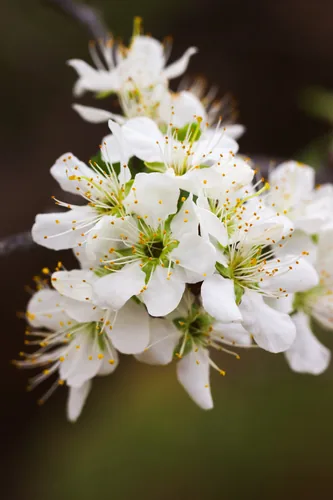
Chickasaw plum is the thicket-forming native plum that fruits before your patience runs out — small tart plums, suckering hedge energy, and flowers that embarrass ornamental pears for pollinator value. subtropical and tropical Americas: happy in sandy edges, old fields, and food forest margins if you accept colonial expansion by root. Full sun for fruit; tolerates part shade with fewer plums and more drama. Drought-tolerant once established; prefers well-drained soils, laughs at sand. Occasional deep watering helps fruit sizing in brutal drought years. Seeds: cold stratify; wildlife-planted volunteers are nature's shortcut. Root suckers: dig connected sprouts in dormancy for instant thicket politics. Softwood cuttings possible for clones — less common than seed and suckers. Chickasaw Plum: pick when full color, slight give, and aroma align -- early picks often ripen off-tree in a 65-72°F (18-22°C) room. Taste-test one fruit per tree sector; sun-exposed shoulders ripen faster than shaded interiors. Process windfalls within hours for jam or pulp; leaving them invites fruit fly internships.
Permaculture Functions
- Edible: Small clingstone plums are intensely tart fresh but shine in jelly, shrub syrups, and country wines -- once pits and skins are handled with intent.
- Wildlife Attractor: Masses of white spring flowers and early red-yellow plums feed insects and birds -- while thorny thickets provide nesting cover.
- Erosion Control: Aggressive root suckers bind sand cuts, old-field edges, and highway berms -- where loose soil would otherwise slough.
- Mulcher: Pruned suckers and leaf fall from the thicket edge add coarse organic matter to adjacent beds -- when chipped or laid as sheet mulch.
Companion Planting
- Planting where root suckers will upset turf purists
- Expecting sweet supermarket plum without breeding or jam sugar
Threats & Pressure
- Apple Maggot
- Bagworm
- Blackberry Psyllid
- Borers
- Cherry Fruit Fly
- Codling Moth
- Cyclamen Mite
- Fall Webworm
- Japanese Beetles
- Lesser Peachtree Borer
- Oriental Fruit Fly
- Oriental Fruit Moth
- Peach Twig Borer
- Peachtree Borer
- Pear Psylla
- Plum Curculio
- Raspberry Beetle
- Raspberry Cane Borer
- Rose Slug
- Sparganothis Fruitworm
- Spittlebugs
- Stink Bug
- Strawberry Root Weevil
- Twig Girdlers
- Vine Weevil
- Gall Mite
- Rust Mite
- Spotted Lanternfly
- Brown Marmorated Stink Bug
- Eastern Tent Caterpillar
- Harlequin Ladybird
- Tent Caterpillar