About
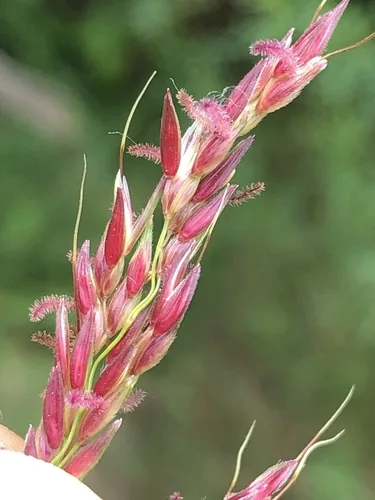
Indiangrass (Sorghastrum nutans) is a tall warm-season bunchgrass of North American prairies and open oak savannas, famous for golden plume-like panicles in late summer and blue-green foliage with a distinctive ligule like a rifle sight. Clumps reach 4–7 feet (1.2–2.1 m) in rich moist sites, shorter on dry slopes. It anchors restoration mixes, meadow gardens, and livestock rotations where deep-rooted natives beat annual erosion theater. Full sun for flowering; open pine shade matches savanna ecology. Adaptable from dry uplands to mesic lowlands if drainage exists between rains. Over-irrigation on clay invites lodging; match water to soil texture. Sow seed shallow in warm soil; weed control year one is the real crop. Divide dormant crowns in early spring. Burn or mow on schedules aligned with local ecological guidance—not random scalp dates. For hay or grazing, follow forage timing rules for warm-season grasses. For gardens, leave winter stems for structure; cut back before spring green-up. Collect seed when awns mature if expanding restoration plots.
Permaculture Functions
- Animal Fodder: Sorghastrum nutans hits peak nutritive value in early boot stage before lignin spikes -- graze rotationally or cut hay then allow rest so basal buds rebuild before frost.
- Erosion Control: Deep fibrous roots anchor streambanks and highway cuts where shallow annuals wash away -- pair with switchgrass for two-height stabilization on sunny slopes.
- Wildlife Attractor: Tall stems give nesting cover for grassland birds while golden awned seed feeds sparrows and buntings -- leave winter standing crop for structure before burning per local ecological guidance.
- Biomass: Six-foot seasonal growth supplies high-carbon residue for compost piles or prescribed fire fuel -- chip or burn on rotation so thatch does not smother crowns in humid climates.
Companion Planting
- Heavy shade — plants stretch and flower poorly; choose sedges for dark corners
- Wet stagnant clay — winter crown issues; improve drainage or pick wet-prairie species
Threats & Pressure