About
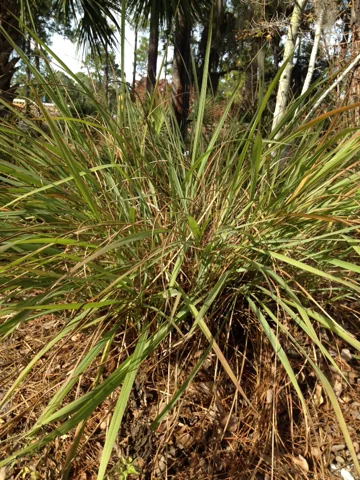
Florida gamagrass (Tripsacum floridanum) is a warm-season perennial grass endemic to the southeastern United States coastal plain, forming dense clumps in moist pinelands, prairies, and roadsides with wide leaves and tall flowering stems. Heights often reach 4–6 feet (1.2–1.8 m) when happy. It is a native alternative for bioswales, restoration mixes, and ornamental grass plantings in humid subtropical climates where generic turf pretends to belong. Full sun for strongest flowering; light pine shade matches natural savanna contexts. Moist, sandy to loamy soils with good aeration; tolerates short wet periods but not deep stagnant water over crowns long term. Drought hardens plants but reduces stature—irrigate young clumps through the first dry season. Divide large dormant crowns and replant promptly with steady moisture. Direct seed in prepared beds after soil warms; weed control in year one determines success more than fertilizer theater. Avoid burying crowns deeper than they grew previously. For restoration, time seed collection to local phenology; ripening varies with summer rainfall. For landscapes, cut old stems in late winter before new growth to reduce pest shelter near patios. Leave some stands uncut where wildlife cover is a design goal.
Permaculture Functions
- Wildlife Attractor: Tripsacum floridanum heavy stems stand through winter for sparrow cover -- while seed heads stay above first frosts on lower coastal plain wet prairies you burn on permit cycles matching longleaf neighbors.
- Erosion Control: Tall clumps hold swale toes on sandy acid soils -- where stormwater sheeting would groove between pavers and lawn strips downhill from suburban lots you retrofitted with bioswale honesty.
- Biomass: Wide blades build thatch managers burn on rotation -- where ash returns silica-rich potash to wet pine savanna restoration plots sized for Tripsacum genetics instead of generic miscanthus cultivar bags.
- Ornamental: Four-to-six-foot floral architecture anchors rain gardens without northern miscanthus dormancy mismatch on humid zone 8b-11 sites -- where gamagrass reads as endemic coastal plain structure beside muhly finesse.
Companion Planting
- Invasion of small beds without editing — clumps widen; plan spacing or expect periodic division
- Dry inland deserts — not a xeriscape mascot despite southern latitude on the tag
Threats & Pressure