About
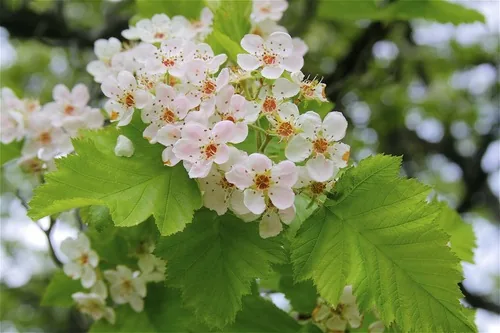
American hawthorn here refers to downy hawthorn (Crataegus mollis), a native North American small tree of woodland edges and pastures, bearing showy white spring blossoms, red fall fruit, and thorny architecture that laughs at casual browsing. It typically grows 20–30 feet (6–9 m) with a rounded crown and rough, scaly bark; fruit is mealy but usable for jellies where traditions still remember how. In permaculture it is a hardy windbreak element, wildlife pantry, and informal hedge species for temperate hedgerows. Full sun to light partial shade; more sun equals denser flowering and heavier fruit. Tolerates a wide soil range if drainage is reasonable; occasional deep watering helps young trees through dry spells. Avoid planting in stagnant low spots that keep roots hypoxic for weeks. Sow seed after warm-cold stratification cycles typical for the genus—many growers outdoor-sow in fall and wait. Chip or soak hard seeds to improve germination speed. Graft named selections if you require specific fruit traits; seed-grown plants vary. Collect ripe red haws after the first light frost softens tannins for some recipes, or follow regional jelly timing. Screen out stems and insect-damaged fruit before cooking. Prune in late winter to remove crossing branches and improve light inside the crown.
Permaculture Functions
- Edible: Crataegus mollis haws stay mealy fresh but cook into rose-scented jellies once frost softens tannins -- wear gloves because thorns are honest while you strip fruit from zigzag twigs.
- Wildlife Attractor: May flower clouds feed early beetles and bees while red haws persist for cedar waxwings into winter -- leave some clusters if you want honest mast instead of sterile lawn edges.
- Windbreaker: Thorny twiggy crowns slow wind across pasture strips and poultry yards where plastic netting would shred -- height stays modest compared with oaks, so pair rows for deeper protection.
- Border Plant: Multi-stem thickets mark property lines and livestock lanes with spines that deter casual shortcuts -- mow suckers on the garden side if colonial spread exceeds the chaos budget.
- Ornamental: Scaly gray bark, white corymbs, and persistent red fruit give three-season structure in hedgerows -- fire blight still visits rosaceous blooms, so open canopies beat tight mushroom cuts.
Companion Planting
- Fire Blight — warm wet springs can move bacterial blight through rosaceous blossoms
- Black Walnut — juglone-tolerant but paired sensitive understory may still sulk
Threats & Pressure
- Apple Maggot
- Bagworm
- Blackberry Psyllid
- Borers
- Cherry Fruit Fly
- Codling Moth
- Cyclamen Mite
- Fall Webworm
- Japanese Beetles
- Lesser Peachtree Borer
- Oriental Fruit Fly
- Oriental Fruit Moth
- Peach Twig Borer
- Peachtree Borer
- Pear Psylla
- Plum Curculio
- Raspberry Beetle
- Raspberry Cane Borer
- Rose Slug
- Scale Insects
- Sparganothis Fruitworm
- Spittlebugs
- Stink Bug
- Strawberry Root Weevil
- Twig Girdlers
- Vine Weevil
- Gall Mite
- Rust Mite
- Spotted Lanternfly
- Brown Marmorated Stink Bug
- Eastern Tent Caterpillar
- Harlequin Ladybird
- Tent Caterpillar