About
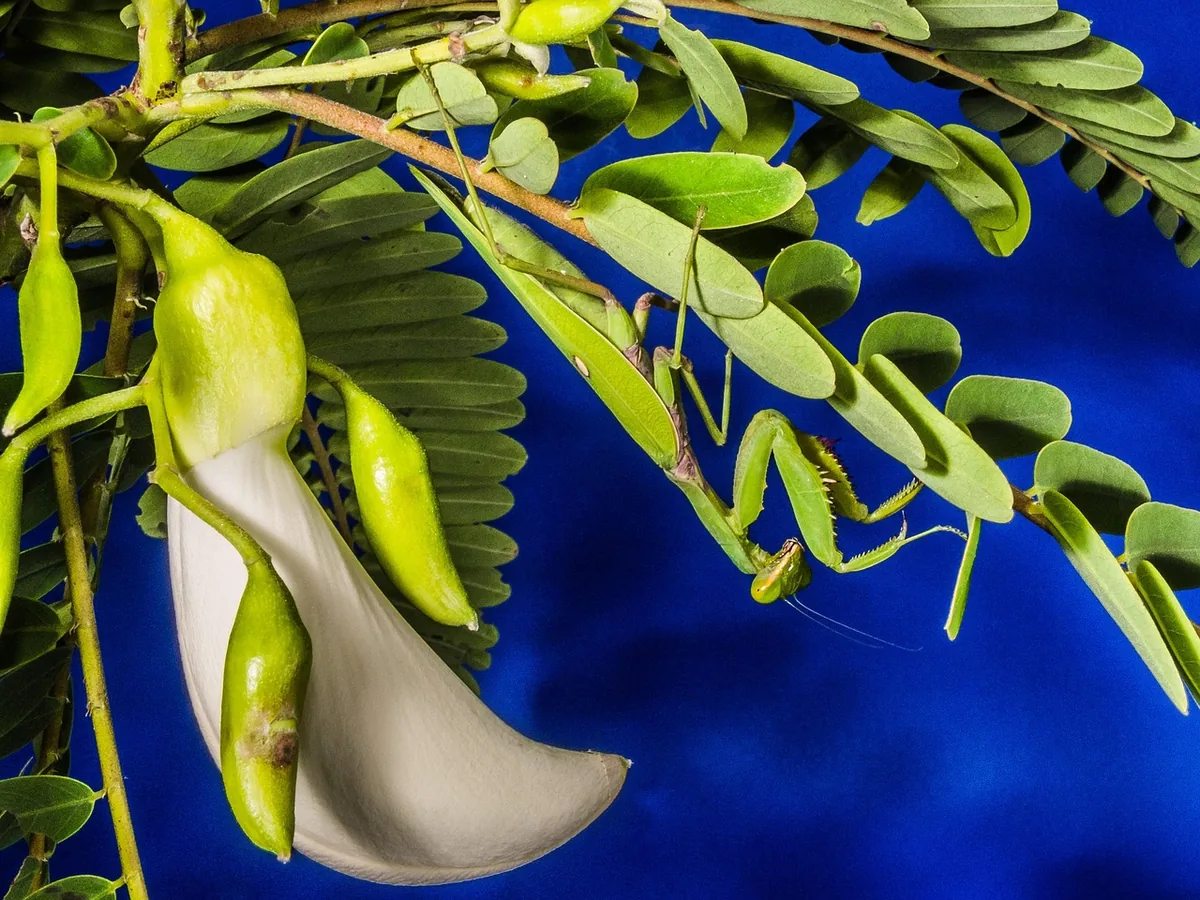
Sesbania species are fast-growing shrubs or small trees that can reach heights of up to 8 meters (26 feet). They have pinnately compound leaves with numerous small leaflets and produce yellow or white flowers, often with brown or purple streaks. The plants are commonly found in tropical and subtropical regions, thriving in a variety of soil types, including sandy and clay soils, often in wet or flooded conditions. Sesbania is known for its ability to fix nitrogen, improving soil fertility. Propagation is typically done through seeds, which can be sown directly into the soil. Harvesting for fodder or green manure can occur multiple times a year due to its rapid growth.
Permaculture Functions
- Nitrogen Fixer: Sesbania spp. rhizobia partnerships bank nitrogen on wet margins -- rotate rice or maize through the residue pulse after warm-season chop instead of letting stems oxidize beside the ditch.
- Animal Fodder: Soft pinnate leaves slash into tropical cattle -- and goat diets during flush growth when protein beats straw quality on floodplain pastures.
- Biofuel: Woody stems from sesbania hedges chip into anaerobic digestors or charcoal trials -- where growers already meter moisture content before burners light.
- Ornamental: Scarlet Sesbania grandiflora blooms hang like parrot beaks along Asian yard fences -- useful marker when mixing species instead of pretending every sesbania looks the same.
Companion Planting
Threats & Pressure
🐛 Pests
- Banded Cucumber Beetle
- Bean Aphid
- Bean Leaf Beetle
- Bean Weevil
- Borers
- Corn Earworm
- Cowpea Curculio
- Fall Armyworm
- Kudzu Bug
- Locust Borer
- Locust Leaf Miner
- Lubber Grasshopper
- Pea Moth
- Pea Weevil
- Reniform Nematode
- Root Aphid
- Rootknot Nematodes
- Soybean Looper
- Spittlebugs
- Stink Bug
- Striped Cucumber Beetle
- Spotted Cucumber Beetle
- Brown Marmorated Stink Bug
- Harlequin Ladybird
- Velvetbean Caterpillar
🦠 Diseases