About
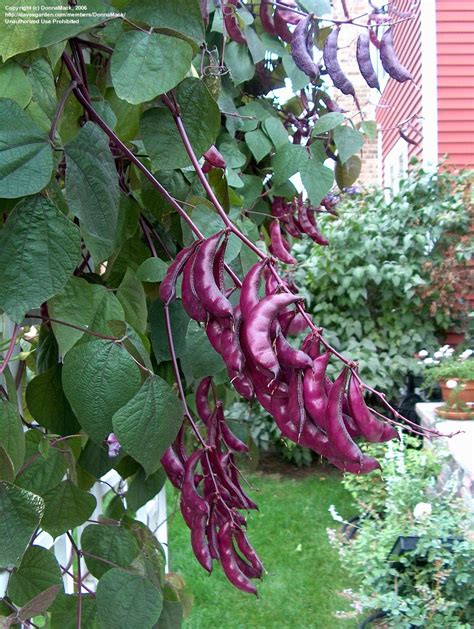
Lablab Bean (*Lablab purpureus*) is a fast-growing, twining perennial vine native to sub-Saharan Africa. It can reach lengths of up to 6 meters (20 feet) and is known for its attractive purple-tinged, trifoliate leaves. The plant produces fragrant, pea-like flowers that are typically bright rose-purple, followed by flat, glossy, ruby-purple seed pods up to 15 centimeters (6 inches) long. Young immature pods can be cooked and eaten, while mature seeds require proper preparation to remove toxins. ✂️🫘 Methods to Propagate: Propagation is primarily through seeds. Sow seeds directly into the soil after the danger of frost has passed, planting them about 2.5 centimeters (1 inch) deep. Inoculating seeds with rhizobium bacteria can enhance nitrogen fixation and promote healthier growth. 🌞💧 Sun and Water Requirements: Lablab Bean thrives in full sun, requiring at least 6 to 8 hours of direct sunlight daily. It prefers well-drained soils and is tolerant of a range of soil types, from sandy to clay, with a pH between 4.5 and 7.5. Once established, it is relatively drought-tolerant but benefits from regular watering to maintain consistent soil moisture. 🧑🌾👩🌾 When to Harvest: Harvest young pods when they are tender, typically 2 to 3 weeks after flowering. Mature seeds can be collected once the pods have dried on the vine. Ensure proper preparation of mature seeds before consumption to eliminate potential toxins.
Permaculture Functions
- **Edible: ** Young pods, leaves, flowers, and tubers are consumed as vegetables in various cuisines. Mature seeds can be eaten after thorough cooking to remove toxins.
- **Nitrogen Fixer: ** As a legume, Lablab Bean forms a symbiotic relationship with rhizobium bacteria, enriching soil fertility by fixing atmospheric nitrogen.
- **Ground Cover: ** Its dense foliage provides effective ground cover, reducing soil erosion and suppressing weed growth.
- **Animal Fodder: ** The plant serves as forage, hay, and silage for livestock, offering a protein-rich feed source.
- **Pollinator: ** The fragrant flowers attract bees, butterflies, and other pollinators, supporting local biodiversity.
- **Mulcher: ** Decomposing plant material adds organic matter to the soil, enhancing soil structure and fertility.
Practitioner Notes
- Blanch or process within hours if you are freezing—enzymes keep chewing while paperwork waits.
- Chop-and-drop timing matters: green mulch feeds soil; woody brown mulch ties up surface nitrogen briefly.
- Morning photos for ID are useless if you only look at dusk—check midday nectar presentation too.
- Shear ragged mats after heat waves; two weeks of ugly beats six months of thatch rot.
Companion Planting
- Corn
- Millet
- Sorghum
- Onion
- Garlic
Pest Pressure