About
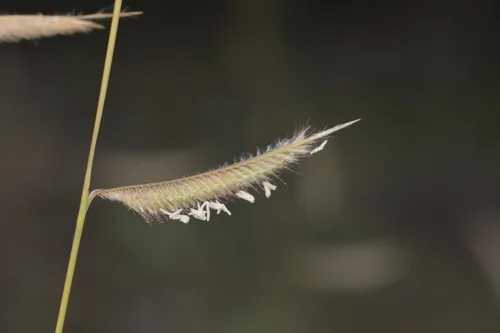
Hairy grama (Bouteloua hirsuta) is a warm-season shortgrass of dry prairies, rocky slopes, and open woodlands from central North America into Mexico, recognizable by comb-like spikes and hairy lemmas that give the species its common name. Plants form low tufts often under 1 foot (0.3 m) with flowering stems reaching slightly higher. It belongs in xeric meadow mixes, green roofs with depth, and restoration seedings where water is honest scarcity, not temporary inconvenience. Full sun; shade quickly thins stands. Well-drained, often calcareous or sandy soils; excellent drought tolerance after establishment. Avoid irrigation schedules designed for bluegrass cosplay. Sow seed in warm soil after frost risk; keep seed shallow. Divide small clumps in spring if you must increase known material. Control early weeds aggressively—shortgrass seedlings are not competitive celebrities. For grazing systems, follow local range guidelines for warm-season utilization and recovery. For gardens, enjoy summer flowering combs and leave seed for birds into fall. Mow or burn per ecological plan—random scalp mowing is not a management strategy.
Permaculture Functions
- Animal Fodder: Bouteloua hirsuta is a short warm-season grass cattle and sheep graze readily on dry range -- rotate recovery so comb spikes regrow; overgrazing on droughty sites beats plants down faster than they store carbohydrate.
- Erosion Control: Dense fibrous roots bind thin, rocky, often calcareous soils where taller grasses would desiccate -- use it on green roofs and xeric berms that refuse bluegrass irrigation cosplay.
- Wildlife Attractor: Small seeds feed ground-foraging birds and rodents in prairie patches -- leave standing stubble into fall so granivores have access after flowering combs mature.
- Ornamental: One-sided spikes look like miniature eyelash combs along the stem -- mass with little bluestem for two-height warm-season choreography in dry meadow designs.
Companion Planting
- Wet clay — root rot and winterkill; choose switchgrass if soil stays soggy
- Heavy thatch buildup — occasional fire or mowing may be needed in dense stands per local guidance
Threats & Pressure