About
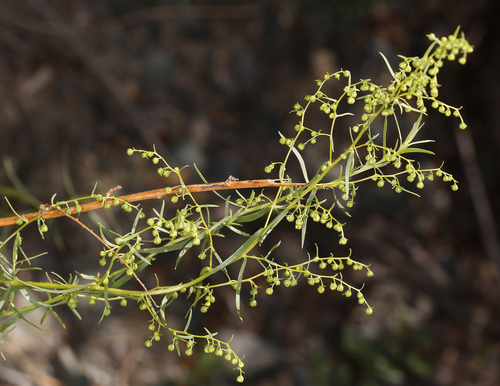
True tarragon lineage lives here — wiry stems, narrow leaves, and that sweet anise-herb note that makes tomatoes behave. French tarragon is sterile and propagated by division; seed-grown "Russian" types are coarser but tougher. subtropical and tropical Americas heat is not Paris: give afternoon shade, sharp drainage, and air movement, or pivot to Tagetes lucida (Mexican mint marigold) for tarragon flavor when Artemisia sulks. Cut often to prevent woody stems and encourage soft tips. ☀️💧 Sun and Water: - Full sun in cool months; part sun when heat index mocks you. - Low to moderate water once established; hates wet winter pots. - Gritty or raised soil; humidity plus soggy roots rots crowns. ✂️ Propagation: - Division of spreading clumps in spring or fall. - Softwood cuttings for true French types.
Permaculture Functions
- Wild tarragon is the finesse herb that separates cooks from people who only own
- Edible: Classic with eggs, chicken, vinegar, and late-summer tomatoes.
- Medicinal: Traditional digestive bitters; modern use is mostly culinary.
- Pollinator: Inconspicuous flowers still fit insectary margins.
- Border Plant: Upright wands along paths and dry edges.
garlic powder:
Practitioner Notes
- Russian vs French types differ in anise chemistry—sniff before planting big rows.
- Divide every few years—centers die out while rings still grow.
- Drought-tolerant once rooted—overwatering rots crown in clay.
Companion Planting
- Tomato
- Eggplant
- Rosemary
Pest Pressure