About
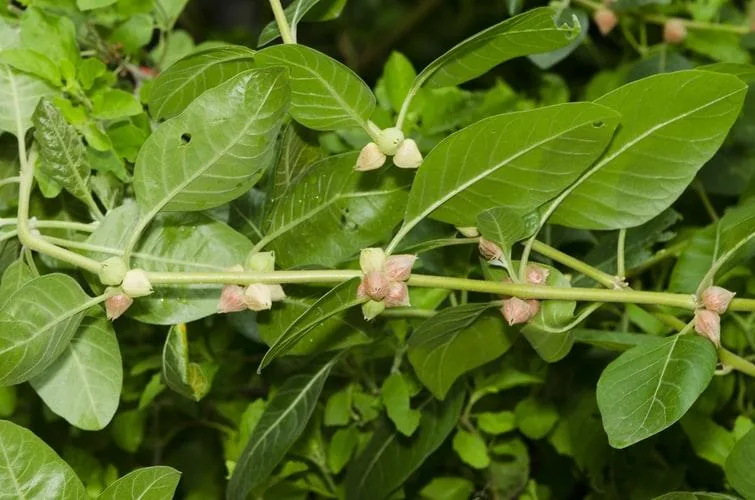
Ashwagandha is a small, woody shrub native to India, the Middle East, and parts of Africa. It grows up to 1.5 meters (5 feet) tall, featuring elliptical green leaves and small, bell-shaped yellow flowers that develop into red berry-like fruits. The plant is highly valued in Ayurvedic medicine for its adaptogenic properties, which help the body manage stress. It prefers warm, arid climates with well-drained soil and thrives in poor, sandy soils. Ashwagandha requires full sun and prefers dry to moderately moist conditions. It is drought-tolerant once established and does not require frequent watering. Overwatering can lead to root rot. Ashwagandha is propagated through seeds. Sow seeds directly into well-drained soil after the last frost when temperatures remain above 20°C (68°F). Germination occurs in 2–3 weeks. Transplant seedlings once they are strong enough to handle. The roots are harvested in late fall or early winter, around 150-180 days after planting, once the foliage starts to dry and die back. Dig carefully to extract the long, tuberous roots without damage.
Permaculture Functions
- Medicinal: Withania somnifera root is the Ayurvedic adaptogen standard, with human trials on cortisol and sleep latency using standardized extracts -- whole-root powder potency swings by age and drought; pregnancy and thyroid medication interactions are documented deal-breakers.
- Wildlife Attractor: Small greenish-yellow bells hide under leaves yet still supply pollen to small bees in dry-season mornings when showier beds are dormant -- red berries feed birds; treat them as wildlife calories, not casual human dessert without a vetted recipe.
- Erosion Control: Lignified crown and long tapering root wedge into coarse sand or gravel berms where shallow-rooted annuals wash out -- survives lean monsoon bursts that rot tomatoes in the same row.
- Dynamic Accumulator: Drought-hardened leaves concentrate potassium and nitrate in tissue by senescence -- cutting frost-killed tops onto mulch rings returns that ash-weight chemistry to the surface above sleeping roots for the next wet cycle.
Companion Planting
- Tomato
- Eggplant
- Potato
Threats & Pressure
- Andean Potato Weevil
- Broad Mite
- Colorado Potato Beetle
- Corn Earworm
- Cyclamen Mite
- Flea Beetles
- Greenhouse Whitefly
- Leafhoppers
- Pepper Weevil
- Reniform Nematode
- Root Aphid
- Rootknot Nematodes
- Shore Fly
- Stink Bug
- Tobacco Budworm
- Tomato Hornworms
- Whiteflies
- Wireworm
- Spotted Cucumber Beetle
- Brown Marmorated Stink Bug