About
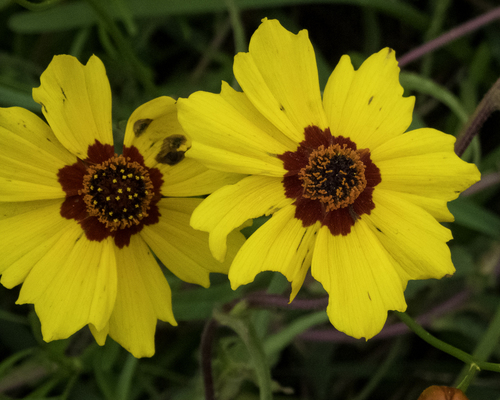
Lanceleaf coreopsis (*Coreopsis lanceolata*) is a clump-forming perennial wildflower with bright yellow ray flowers and notched petals, typically 30–60 cm tall from basal rosettes. It naturalizes in sunny meadows and roadsides across much of eastern North America. In subtropical and tropical Americas it performs as a short-lived perennial or self-seeding annual depending on cultivar and humidity—choose airy sites and avoid heavy night moisture on leaves to keep displays clean through wet-season humidity. ☀️💧 **Sun and Water Requirements:** Full sun for maximum bloom. Well-drained, lean to average soil; tolerates drought once established. Water during establishment only; over-irrigation and tight spacing promote foliar disease in humid subtropical/tropical yards. ✂️ **Methods to Propagate:** - **Seeds:** Direct-sow in fall (mild areas) or early spring; barely cover seed—light aids germination. - **Division:** Split mature clumps in early spring before new growth accelerates, replanting promptly. 🌾 **Best Use Timing:** Deadhead to prolong flowering in formal beds; stop deadheading late season if you want self-sown volunteers. Cut back tired foliage after peak summer heat if plants look ragged.
Permaculture Functions
- **Ornamental: ** Long-season yellow daisies punch color into polyculture edges without pretending to be turf.
- **Pollinator: ** Flowers support native bees and hoverflies when integrated into insectary strips.
- **Wildlife Attractor: ** Seeds feed finches and other small birds if heads mature.
- **Ground Cover: ** Basal rosettes occupy soil between taller perennials, reducing bare dirt.
Practitioner Notes
- Deadhead for weeks more bloom—let last heads go brown if you want goldfinch seed parties.
- Wet clay rots crowns—sharp drainage or raised mound beats heroic watering on soggy sympathy.
- Japanese beetles cluster on first flushes—knock into soapy water mornings when dew grounds them.
- Divide every few years when centers thin—spring split on cool cloudy day reduces wilt drama.
Companion Planting
- Black-eyed Susan
- Purple coneflower
- Little bluestem
- Bee balm
Pest Pressure