About
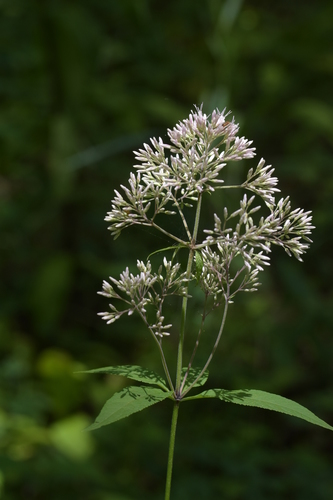
Gravel root (*Eutrochium purpureum*, historically *Eupatorium purpureum*) is a tall native North American perennial of moist meadows and stream edges, with whorled leaves and large mauve-pink flower clusters that smell of vanilla to some noses. Stems often reach 5–7 feet in rich wet soil. The common name refers to traditional use of roots and preference for rocky, moist ground. In Florida and Puerto Rico it belongs in rain gardens, pond margins, and shaded wet swales where soil stays moist through the dry season—open baking sites will crisp it. 🌞💧 **Sun and Water Requirements:** Full sun in cool climates; in subtropical and tropical lowlands prefer bright partial shade. Consistent moisture is key—mulch with leaf mold or wood chips to hold humidity at the root zone. ✂️ **Methods to Propagate:** - **Spring divisions:** Split crowns when shoots emerge; keep each division well-watered until established. - **Seeds:** Sow fresh seed on moist medium; keep warm and bright. Plants from seed take a few years to reach flowering height. 🧑🌾 **When to Harvest:** Dig roots in fall after several years of growth if preparing herbal material—sustainably thin patches rather than wiping out clones. Leave most plants blooming for pollinators late in the season.
Permaculture Functions
- **Medicinal: ** Root has traditional use for urinary and kidney-support formulas; work with trained herbal practitioners for preparation and dose.
- **Pollinator: ** Huge flat inflorescences are butterfly and bee magnets in late summer and fall.
- **Wildlife Attractor: ** Seeds feed songbirds; tall stems shelter beneficial insects overwinter if left standing.
- **Water Retention: ** Deep roots and dense litter increase soil organic matter and sponge capacity in wet systems.
- **Biomass: ** Tall stems add large volumes of carbon to compost and hugel edges when cut in rotation.
Practitioner Notes
- Dry aerial parts fast with airflow, not slow plastic bags—mold reads as ‘aged’ only in marketing copy.
- Morning photos for ID are useless if you only look at dusk—check midday nectar presentation too.
- Soil smell and root color tell more than gadget overload—dig a small hole twice a season.
- Weigh small test batches before scaling tinctures—solvent ratio mistakes are expensive at gallon ambition.
Companion Planting
- Cardinal Flower
- Swamp Milkweed
- Meadowsweet